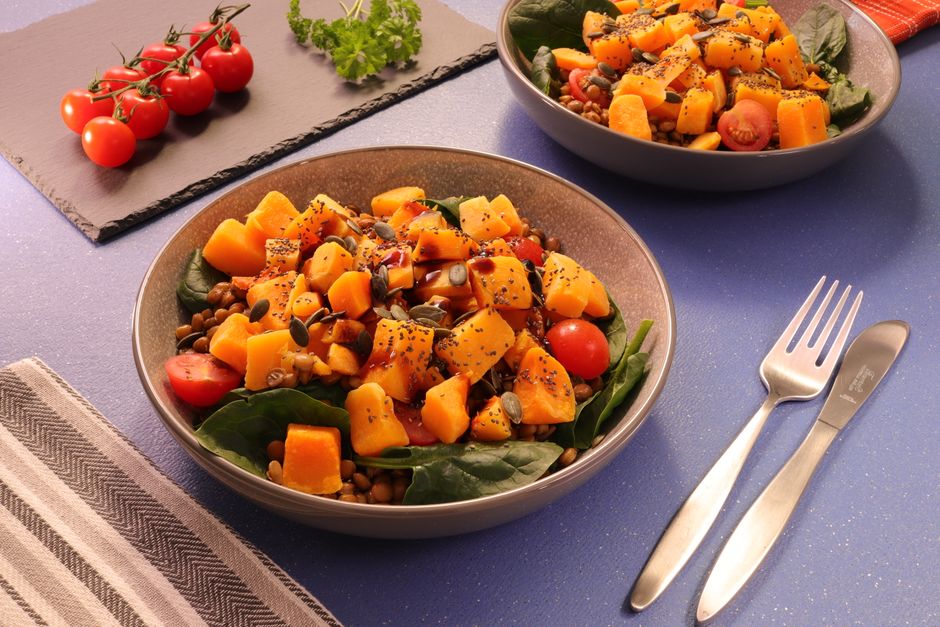
Roasted squash and lentil salad with feta brings together caramelized vegetables, earthy lentils, and a sharp lemon dressing in a meal that feels substantial without being heavy. The squash supplies sweetness, feta adds salty pockets, and parsley keeps each forkful fresh. Serve it slightly warm so the lentils absorb the dressing while the cheese retains its crumbly texture.
The main trick is managing moisture: roast the squash with enough space to brown, drain the lentils thoroughly, and let both cool briefly before assembling. This recipe serves four as a main course or six as a side. Allow about an hour overall, with the lentils cooking while the squash roasts.
Ingredients for a balanced, satisfying salad
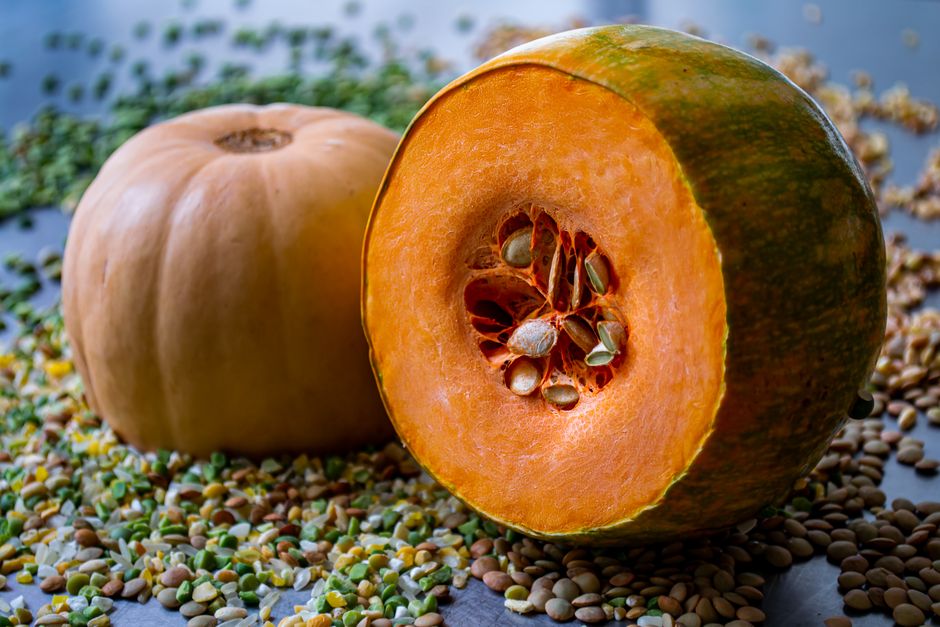
Butternut squash is a useful choice because its dense flesh holds its shape after roasting. Green or brown lentils provide a tender base with enough structure to toss. Avoid split red lentils here; they soften into a texture better suited to soups and sauces.
For the squash and lentils
- 1 medium butternut squash, about 1.2 kg whole, yielding approximately 800 g peeled and seeded flesh
- 200 g dried green or brown lentils, rinsed and picked over
- 2 tablespoons olive oil
- 1 teaspoon ground cumin
- 1/2 teaspoon smoked paprika
- 1/2 teaspoon fine salt, plus more for the lentil water and final seasoning
- Freshly ground black pepper
For the dressing and finishing ingredients
- 3 tablespoons extra virgin olive oil
- 2 tablespoons lemon juice, plus extra to taste
- 1 teaspoon Dijon mustard
- 1 small garlic clove, finely grated
- 1 small shallot, finely chopped
- 120 g feta, crumbled into chunky pieces
- 25 g flat-leaf parsley, leaves and tender stems roughly chopped
- 40 g rocket or baby spinach, washed and thoroughly dried
- 3 tablespoons pumpkin seeds
Choose feta made with vegetarian rennet if that matters for your table. Keep some cheese aside for the top rather than mixing every crumb through the lentils. Larger pieces give you a clearer contrast between the sweet squash and salty cheese.
Roast the squash until tender with browned edges
- Heat the oven to 220°C conventional or 200°C fan. Set out a large baking tray, or use two trays if the squash would otherwise be crowded.
- Peel the squash, cut it in half, and scoop out the seeds. Cut the flesh into roughly 2.5 cm cubes, keeping the pieces similar in size so they cook evenly.
- Toss the cubes with the olive oil, cumin, smoked paprika, salt, and several grinds of black pepper. Spread them across the tray in a single layer with a little space between pieces.
- Roast for 30–40 minutes, turning the pieces after about 20 minutes. The squash is ready when a knife slips easily into the center and the edges show golden brown patches.
- Remove the tray from the oven and leave the squash to stand for 5–10 minutes. It should still be warm when assembled, but no longer releasing clouds of steam.
Use the texture as your guide. Small cubes can finish sooner, while a densely packed tray takes longer. If the squash is tender but pale, spread it farther apart and give it a few more minutes. Avoid stirring repeatedly, which can break the softened pieces.
Cook and dress the lentils while they are warm
- Place the rinsed lentils in a saucepan and cover generously with cold water, allowing several centimeters above them. Bring to a boil, then reduce to a gentle simmer and add a pinch of salt.
- Cook for 20–30 minutes, checking from about 18 minutes onward. Older lentils may take longer. They should be tender all the way through while retaining their shape, without a chalky center.
- Meanwhile, whisk the extra virgin olive oil, lemon juice, mustard, and garlic in a large mixing bowl. Stir in the shallot and a little black pepper. Leave the mixture to stand while the lentils finish; this takes some of the raw edge off the shallot.
- Drain the lentils in a fine sieve. Let them steam dry for a couple of minutes, shaking the sieve gently to release trapped water.
- Add the warm lentils to the dressing and fold gently. Leave for 5 minutes, then taste a spoonful. Add a small pinch of salt or an extra squeeze of lemon if needed, remembering that the feta will contribute salt later.
A vigorous boil can split the lentils before their centers soften. Keep the water moving gently and top it up if necessary so they stay submerged. If you prefer a shortcut, substitute 450–500 g drained canned or ready-cooked plain lentils. Rinse canned lentils, drain well, and warm gently before dressing.
Assemble without crushing the squash
Toast the pumpkin seeds in a dry frying pan over medium heat, stirring frequently until fragrant and beginning to color. Transfer them to a plate immediately so they stop cooking. Keep an eye on them throughout; small seeds can go from toasted to scorched quickly.
Fold the parsley and half the feta into the dressed lentils. Add most of the squash and turn everything over gently with a broad spoon. If the lentils look dry, add a small drizzle of olive oil. Taste a forkful that includes squash, lentils, and cheese before adjusting the seasoning.
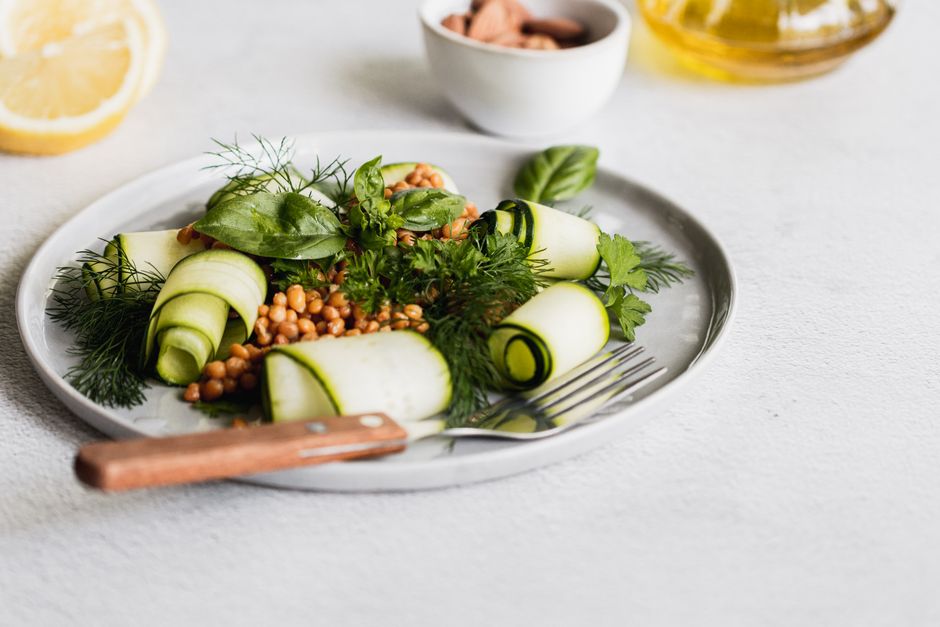
Scatter the rocket or spinach across a serving platter. Spoon over the lentil mixture, then arrange the remaining squash and feta on top. Finish with the toasted pumpkin seeds. Building the salad this way keeps the leaves from being compressed under repeated stirring and leaves some attractive squash pieces intact.
Simple adjustments and serving ideas
For a sharper finish, add finely grated lemon zest alongside the parsley. For gentle heat, use a pinch of chili flakes with the squash seasoning. A handful of chopped mint can replace some of the parsley, but keep enough parsley to provide a fresh, savory backbone.
Peeled pumpkin can replace butternut squash if its flesh is firm and suitable for roasting. Some varieties release more water, so check for tenderness and browning rather than following the clock alone. If pumpkin seeds are unavailable, use toasted chopped walnuts for a different kind of crunch.
Serve generous portions on their own, or add warm flatbread to catch the dressing. For a larger spread, pair the salad with simply cooked chicken or fish. Keep accompanying sauces restrained so the lemon, cumin, and feta remain distinct.
Make ahead and store with the textures in mind
You can roast the squash and cook the lentils a day ahead. Dress the lentils while warm, then cool both components promptly and refrigerate in separate covered containers. Keep the leaves, herbs, feta, and seeds separate until serving.
Refrigerate leftovers within two hours and use within three days. Enjoy chilled, or gently warm the squash and lentils before adding fresh leaves and cheese. Store toasted seeds separately whenever possible; adding them at the last moment preserves their crunch and makes an assembled lunch feel freshly finished.