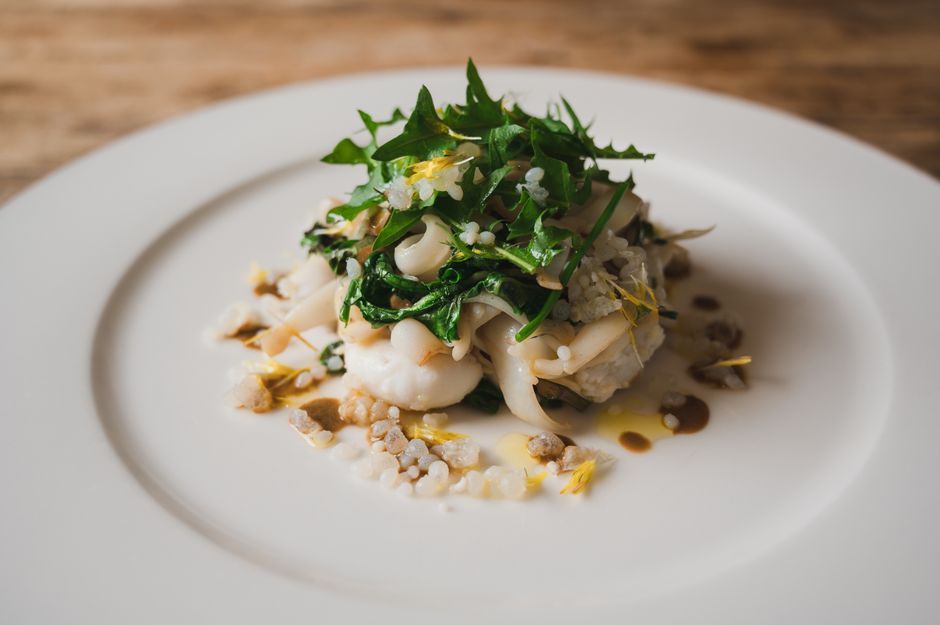
When the windows turn dark before dinner, risotto is the right kind of cooking project: slow enough to feel calming, but practical enough to finish in one pan. This version gives you tender rice, browned mushrooms, and a loose, creamy finish without heavy cream.
Why risotto works on a cold evening
The best creamy mushroom risotto is built on starch, not cream. As short-grain rice cooks, gentle stirring rubs starch from the grains into the stock. That starch thickens the liquid and creates the glossy texture people want from risotto. Cream can make the dish heavy and mute the mushroom flavor, so it is not needed.
The texture to aim for
Proper risotto should spread slowly across a warm plate. The grains remain tender but still have a slight firm center. The mixture should look wetter in the pan than you expect, because the rice keeps absorbing liquid for several minutes after the heat goes off. If a spoon can stand upright in the middle, the risotto is already too thick.
Why mushrooms need their own pan time
Mushrooms contain a lot of water. Add them directly to rice at the start and they steam while the onions cook, leaving pale, rubbery pieces and a diluted broth. Sauté them over medium-high heat until the moisture evaporates and the edges turn brown. Remove them, cook the rice, then fold the mushrooms back in near the end. That single choice gives the dish a deeper savory taste and a better contrast between creamy rice and meaty mushrooms.
Choose rice, stock, and mushrooms by function
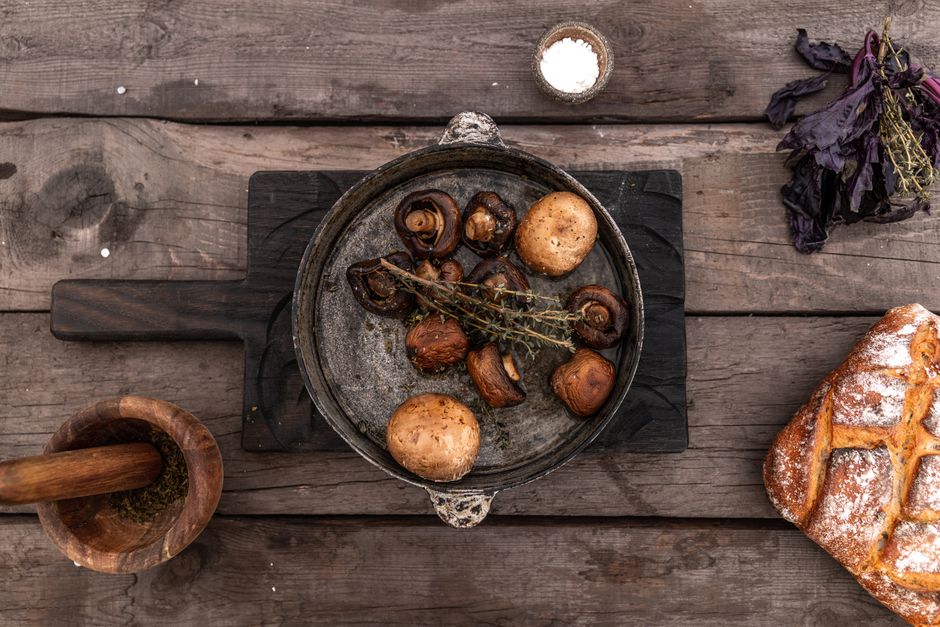
Risotto succeeds when each ingredient performs a clear job. The rice supplies starch, the stock carries flavor, and the mushrooms provide the main savory note. Buying the most expensive ingredient will not repair the wrong rice or cold cooking liquid.
Arborio or Carnaroli?
Arborio is easy to find and gives a soft, highly creamy result. Use 320 grams for four servings. Carnaroli costs more, but its longer grains hold their shape better and give you a wider margin before the dish turns mushy. For a first attempt, Carnaroli is the better choice because it stays firm while releasing enough starch. Do not rinse either rice. The surface starch belongs in the pan.
Stock temperature matters
Prepare about 1.2 liters of low-salt chicken or vegetable stock and keep it between 75°C and 90°C. Cold stock drops the temperature every time it enters the pan, which slows cooking and can leave the center of the rice hard while the outside turns soft. A wide saucepan or small pot beside the risotto pan keeps the process steady. Taste the stock before cooking; if it tastes aggressively salty, the finished rice will be salty too.
Match mushrooms to the cooking time
Cremini mushrooms give a reliable base. Add shiitakes for a firmer bite and a stronger savory flavor, or use oyster mushrooms for delicate frilled edges. A good mix is 450 grams of mushrooms for four servings, sliced into pieces at least 5 millimeters thick. Very thin slices collapse before they brown. Dried porcini can add depth: soak 15 grams in 200 milliliters of hot water for 15 minutes, strain the liquid through a coffee filter, and add it to the stock.
Use this reliable stovetop method
The method takes about 35 minutes once the stock is hot. Keep the heat moderate and add liquid in small amounts; speed is the enemy of even cooking.
Eight steps from raw rice to finished risotto
- Warm 1.2 liters of stock in a nearby pot.
- Sauté 450 grams of sliced mushrooms in 1 tablespoon of olive oil until their water evaporates and the edges brown. Season lightly, then transfer them to a plate.
- In the same wide pan, cook 1 finely diced shallot in 30 grams of butter for 3 minutes until soft.
- Add 320 grams of Arborio or Carnaroli rice. Stir for 2 minutes until the grains look translucent around the edges.
- Pour in 120 milliliters of dry white wine, if using. Stir until the pan looks almost dry, about 2 minutes.
- Add hot stock one ladle at a time. Stir often, but not constantly. Add the next ladle when the previous one has nearly disappeared.
- Continue for 18 to 22 minutes. Taste a grain after 18 minutes and stop when it is tender with a small firm center.
- Turn off the heat. Fold in the mushrooms, 45 grams of finely grated Parmesan, and 25 grams of cold butter. Cover for 2 minutes, then loosen with a final splash of stock.
Three timing checkpoints
At 10 minutes, the rice should still look distinctly separate. At 18 minutes, it should be swollen but not soft. At 22 minutes, start tasting every minute. If the rice is cooked but the mixture looks stiff, add stock; if the rice is still hard and the pan is dry, add more stock and keep cooking. A scorched bottom means the heat is too high or the pan is too narrow for the batch.
Which cookware makes risotto easier?
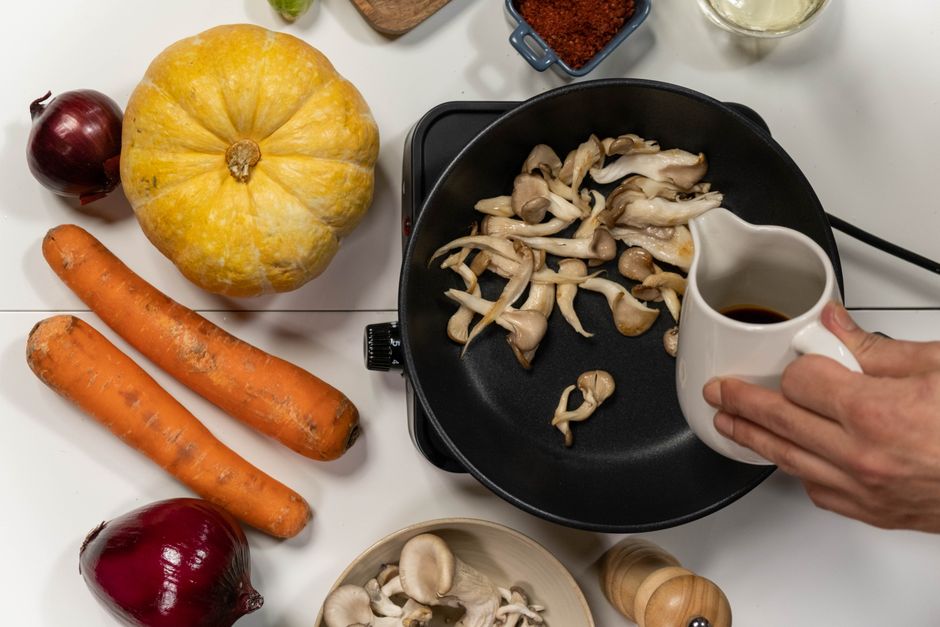
Choose a wide, heavy pan before spending money on a special risotto pot. The pan should spread the rice into a shallow layer, hold heat evenly, and leave enough room for stirring. These are typical 2026 list prices, not required purchases.
Cookware comparison
| Product | Typical price | Useful specification | Verdict |
|---|---|---|---|
| All-Clad D3 3-Qt Sauté Pan | $179.99 | 3-quart capacity, 12-inch cooking surface, tri-ply stainless steel | Best for precise heat control and batches for two to three people |
| Lodge 5-Quart Enameled Dutch Oven | $79.90 | 5-quart capacity, enameled cast iron, wide 10.25-inch base | Best value for four servings and one-pan cleanup |
| Staub 4-Qt Cocotte | $289.99 | 4-quart capacity, cast iron body, matte enamel interior | Best for strong heat retention and a four-serving batch |
| Le Creuset Signature 5.5-Qt Round Dutch Oven | $420 | 5.5-quart capacity, enameled cast iron, 10.25-inch base | Excellent but oversized for a two-person risotto |
What not to buy for this dish
Skip a tall, narrow stockpot. Its small base makes the rice pile up, so the edges cook faster than the center. Avoid very thin aluminum pans if your burner runs hot; the bottom can scorch before the rice softens. You also do not need an electric risotto machine. It removes stirring but gives you less control over the final texture.
The clear cookware winner
For most home cooks, the Lodge 5-Quart Enameled Dutch Oven is the strongest pick because its broad base, low price, and stable heat cover the needs of a four-serving batch. Choose the All-Clad D3 3-Qt Sauté Pan if you cook for two and want fast temperature changes. The premium Dutch ovens are excellent, but they improve heat retention more than they improve the recipe.
Risotto questions that prevent common mistakes
Should you rinse the rice first?
No. Rinsing removes the surface starch that helps thicken the stock. Washing makes sense for fluffy steamed rice, but it works against the creamy texture needed here. Measure the rice dry and add it directly to the pan after the shallot softens.
Can you make risotto without wine?
Yes. Wine adds acidity and a light fruit note, but it is not required. Replace the wine with 120 milliliters of hot stock and add 1 teaspoon of lemon juice at the end if the dish tastes flat. Do not pour cold lemon juice into the hot pan during the rice’s main cooking stage; it can make the flavor sharp before the butter and cheese soften it.
Why did the risotto turn gummy?
Overcooking, excessive stirring, or holding the dish too long can create a paste-like texture. Stir often enough to keep the rice from sticking, but give it quiet intervals. Stop cooking while the grains still have a slight bite, then serve within five minutes. If the finished risotto thickens on the plate, loosen each portion with a spoonful of hot stock.
Serve it when the night turns cold
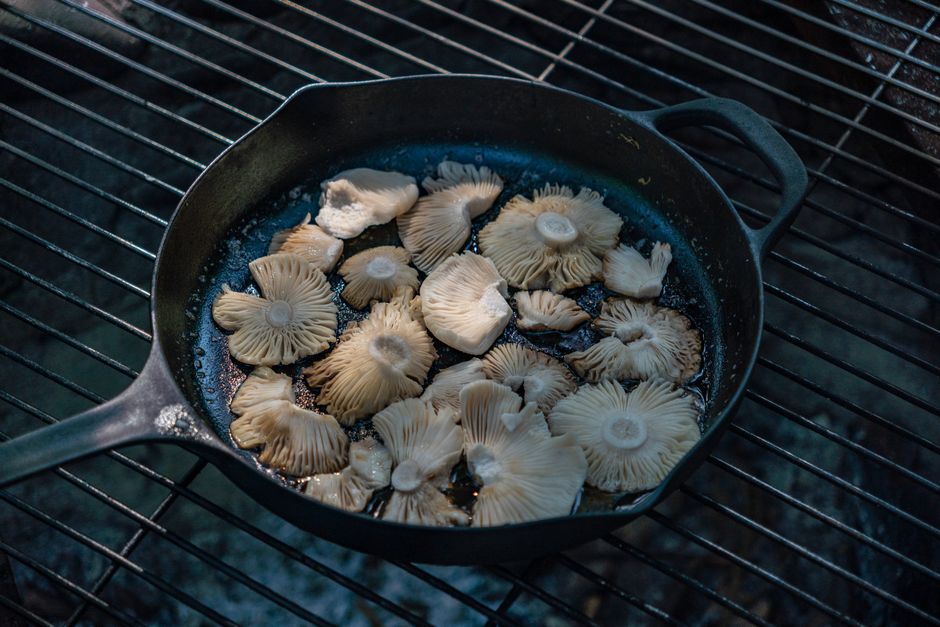
My recommendation is simple: make the risotto fresh, keep it loose, and serve it in warm bowls. The dish has a short peak. It tastes creamy and bright immediately after the two-minute rest, then becomes heavier as the rice absorbs more liquid.
Finish the bowl with contrast
Use the browned mushrooms as the main topping rather than hiding every piece inside the rice. Add grated Parmesan, a few drops of lemon juice, and chopped parsley or thyme. A small drizzle of olive oil can lift the surface, but avoid adding so much that it masks the stock and mushroom flavor. Serve a crisp green salad beside it if the meal needs freshness.
The final verdict
For cold evenings, creamy mushroom risotto is worth the 35-minute cooking time because it turns basic rice, stock, and mushrooms into a complete meal with no complicated equipment. Use Carnaroli for the firmest texture, brown the mushrooms separately, and remove the pan from the heat before the rice looks fully finished. Then the dark window, warm bowl, and slow spoonfuls all land exactly where dinner should end.


