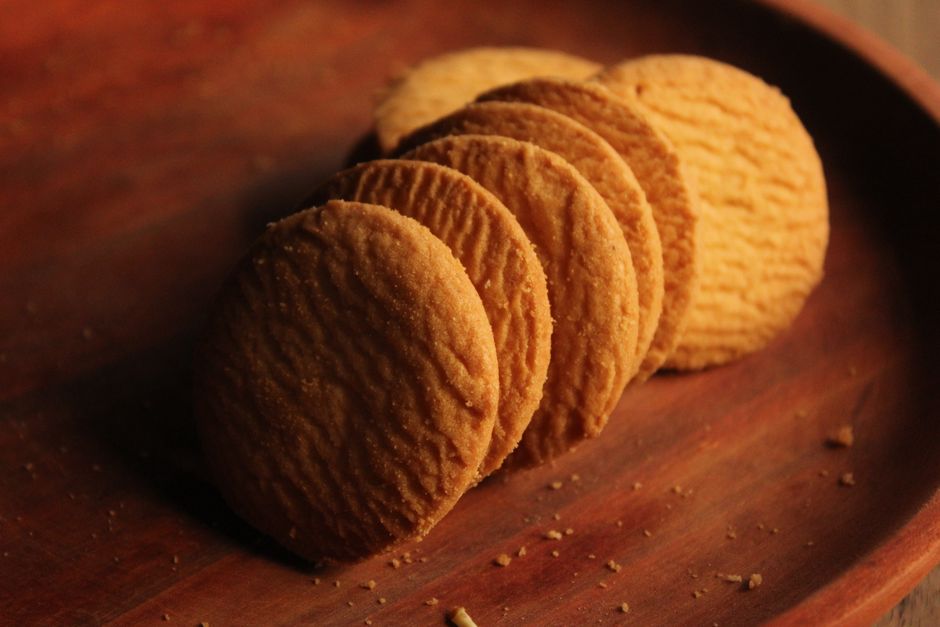
Orange shortbread biscuits bring a bright citrus scent to the tea table while keeping the buttery, crumbly texture that makes shortbread so satisfying. The flavour comes from finely grated orange zest, which perfumes the dough without adding excess liquid. Cut into small rounds and finished with a little sugar, these biscuits suit a quiet afternoon cup of tea or a plate shared with visitors. This recipe uses a simple dough that you roll between sheets of baking paper, chill, and cut before baking gently until the edges just begin to colour.
Getting the orange flavour and texture right
Shortbread depends on a generous proportion of butter and gentle handling. You want the ingredients to come together evenly, with very little kneading once the flour goes in. Too much mixing can make the finished biscuits tougher, while excessive air beaten into the butter can encourage spreading and give a less compact crumb.
Orange zest supplies aromatic oils, so it works particularly well in this low-moisture dough. Wash and dry the orange, then grate only the coloured outer skin using a fine grater. The white pith underneath tastes bitter. Rub the zest into the sugar with your fingertips before mixing it with the butter. This distributes the zest and helps release its fragrance.
A small amount of cornflour softens the texture without making the dough difficult to handle. Here, cornflour means the fine white starch also sold as cornstarch. Use plain flour alongside it, and choose butter that feels pliable when pressed but still holds its shape.
Ingredients for orange shortbread biscuits
Makes about 24 biscuits using a 5 cm round cutter. Allow about 25 minutes for preparation, at least 40 minutes for chilling, and 18–22 minutes for baking each tray, plus cooling time.
- 200 g unsalted butter, softened but still cool
- 90 g caster sugar, plus 1 tablespoon for finishing
- Finely grated zest of 1 large orange, about 2 teaspoons
- 250 g plain flour
- 50 g cornflour or cornstarch
- ¼ teaspoon fine salt
You will also need two baking trays, baking paper, a rolling pin, a mixing bowl, and a round biscuit cutter. A hand mixer is convenient, although a wooden spoon works well when the butter is soft enough. Weigh the flour and butter for a dough that holds together reliably.
If you use salted butter, leave out the added salt. Keep the orange juice for another use. Adding it to this dough changes the moisture balance and can reduce the delicate, sandy texture.
How to make the biscuits
- Prepare the orange sugar. Put the caster sugar and orange zest in a large bowl. Rub them together with your fingertips until the sugar feels slightly damp and smells fragrant. Break up any clumps of zest so they will spread evenly through the dough.
- Mix in the butter. Add the softened butter and stir with a wooden spoon, or beat briefly on a low speed, until smooth and combined. Scrape down the bowl. Stop before the mixture becomes very pale or fluffy.
- Add the dry ingredients. Stir the plain flour, cornflour, and salt together in a separate bowl. Add them to the butter mixture in two batches, mixing gently until you have moist crumbs. Press a little between your fingers. It should hold together.
- Bring the dough together. Tip the mixture onto a sheet of baking paper and gently press it into a flat block. Fold any loose crumbs into the middle and press again. Avoid kneading it repeatedly. The warmth of your hands should help the final crumbs bind.
- Roll and chill. Cover with another sheet of baking paper and roll to an even 7 mm thickness. Slide the dough, still between the paper, onto a tray or board. Refrigerate for about 30 minutes, until firm enough to cut cleanly.
- Heat the oven and cut. Heat the oven to 170°C conventional or 150°C fan. Line two baking trays with baking paper. Peel the top paper off the dough and cut out rounds, placing them about 3 cm apart on the trays. Gently press the scraps together, roll again, and cut the remaining biscuits.
- Chill the cut biscuits. Refrigerate the trays for 10–15 minutes, especially if the dough has softened during cutting. Prick each biscuit twice with a fork and sprinkle lightly with the finishing sugar.
- Bake gently. Bake for 18–22 minutes, until the surfaces look dry and the bottom edges are lightly golden. Start checking early, as ovens vary. Bake one tray at a time on the middle shelf for easier control, keeping the second tray chilled.
- Cool before moving. Leave the biscuits on the baking tray for 10 minutes, then carefully transfer them to a wire rack. They will be fragile while warm and become firmer as they cool.
Reading the dough and checking the bake
If the dough crumbles during rolling
First, press the pieces together and let the dough stand briefly if the butter feels very cold. Shortbread dough can look dry before it binds. Roll between paper to support it and prevent extra flour from drying the surface. If it remains powdery, check that all the butter has been incorporated before adding anything else.
If the rounds lose their shape
Soft, greasy dough needs more chilling. Leave it in the fridge until you can lift a cut round without stretching it. Place every batch on a cool tray, since a hot tray starts melting the butter before the biscuits reach the oven.
Knowing when they are done
Look for a pale top, a dry surface, and a narrow golden edge underneath. Deep browning can overpower the orange with a toasted flavour. Avoid judging texture while the biscuits are hot. Let one cool fully before deciding whether a later tray needs another minute or two.
Serving and keeping your shortbread
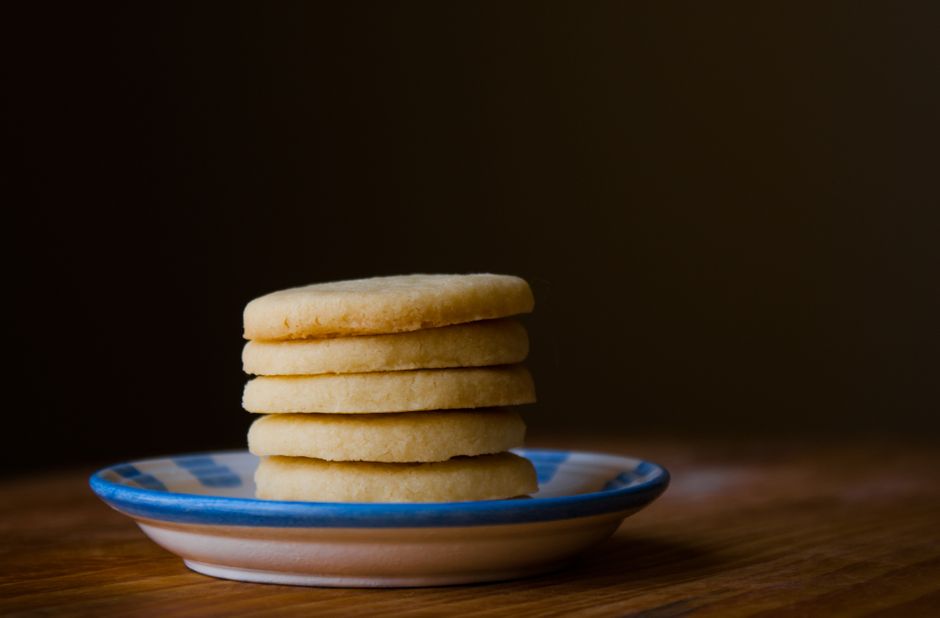
Serve the biscuits completely cooled, when their crumb has settled and the orange aroma is easy to appreciate. English breakfast tea or Earl Grey makes a pleasant accompaniment. For a fuller afternoon tea plate, add small sandwiches and fresh fruit, letting these simple biscuits provide the buttery finish.
Once completely cold, store the shortbread in an airtight container at cool room temperature for up to a week. Keep it away from moist cakes or bread, which can soften the biscuits. Layer baking paper between stacks if you want to protect the sugared tops.
For baking ahead, freeze the cut, unbaked rounds on a lined tray until firm, then transfer them to a freezer container with paper between layers. Use within two months for best quality. Bake from frozen at the same temperature, allowing a few extra minutes and watching for the same pale tops and lightly golden edges.


