Creamy Mushroom and Spinach Orzo is a comforting pasta supper built around golden mushrooms, tender greens, and a sauce that comes together in the same pan. The orzo cooks directly in vegetable stock, releasing starch that gives the sauce body before you add cream and cheese. Lemon zest brings freshness without overpowering the mushrooms. You can serve it as a generous side dish or make it the center of dinner with a crunchy salad alongside.
Build flavor before adding the pasta
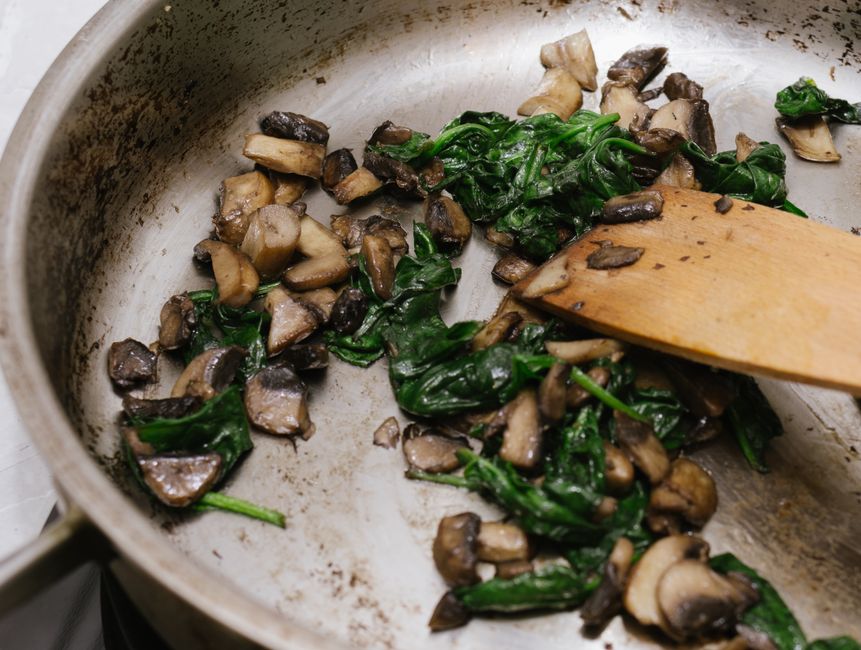
The most useful step is giving the mushrooms enough space to brown. If you pile them into a small pan, their moisture collects faster than it evaporates. They will still cook, but you will miss the savory browned edges that make this dish satisfying. Work in two batches and let each batch sit briefly before stirring.
Use a wide, deep frying pan or a shallow casserole. You need room for the mushrooms at the beginning and enough depth to stir pasta and stock without splashing. Unlike a rice risotto, this dish does not need constant stirring or stock added one ladle at a time. Regular stirring and a gentle simmer are enough.
Ingredients for four servings
- 2 tablespoons olive oil, divided
- 450 g chestnut or cremini mushrooms, sliced about 5 mm thick
- 1 tablespoon butter
- 1 medium onion, finely chopped
- 3 garlic cloves, finely chopped
- 1 teaspoon fresh thyme leaves, or half a teaspoon dried thyme
- 300 g dried orzo
- 850 ml hot vegetable stock, plus up to 200 ml extra as needed
- 100 ml heavy or double cream
- 150 g baby spinach, washed and thoroughly drained
- 50 g finely grated Parmesan, plus extra for serving
- 1 teaspoon finely grated lemon zest
- 1–2 teaspoons lemon juice, to taste
- Fine salt and freshly ground black pepper
Ingredient choices that help
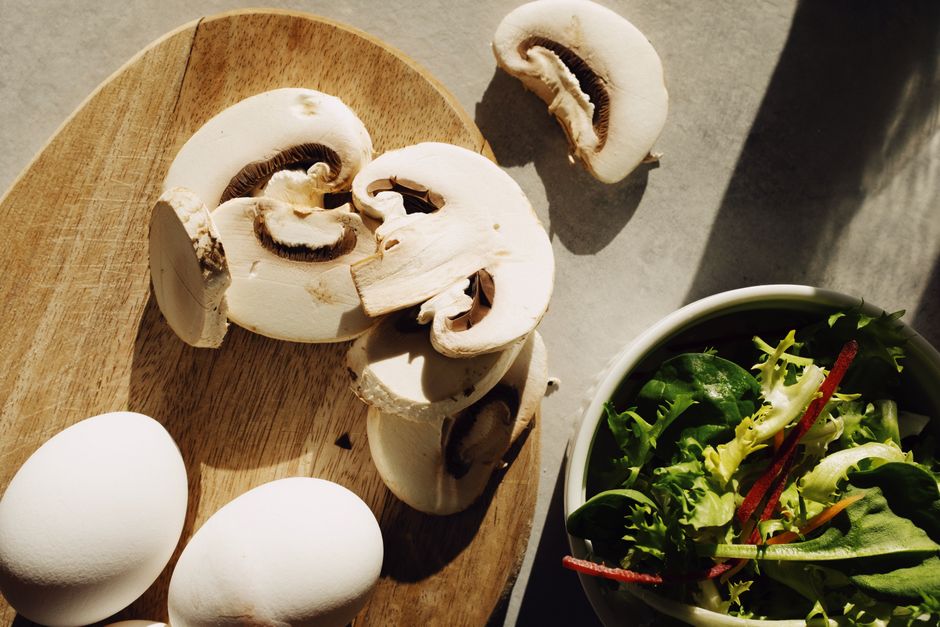
White mushrooms work well if that is what you have. You can also replace some of the chestnut mushrooms with torn oyster mushrooms or sliced shiitake. Keep the pieces similar in thickness so they cook evenly. Wipe away dirt or rinse briefly, then dry the mushrooms thoroughly before they meet the hot oil.
Choose a stock with restrained seasoning because it concentrates as the pasta cooks. Finely grated cheese melts into the sauce more easily than thick shreds. For a vegetarian version, use a hard cheese made with vegetarian rennet in place of Parmesan, and check that your stock is vegetarian too.
Cook the orzo step by step
- Brown half the mushrooms. Heat 1 tablespoon of olive oil over medium-high heat. Add half the mushrooms in a loose layer. Leave them until the undersides develop color, then turn and cook until browned and their released moisture has evaporated. Transfer to a bowl.
- Repeat with the second batch. Add the remaining oil and cook the remaining mushrooms the same way. Season both batches lightly with salt and pepper. Keep a small spoonful aside for topping, if desired.
- Soften the onion. Reduce the heat to medium and add the butter and onion to the pan. Cook for about 5 minutes, stirring occasionally, until softened. Loosen any darkening browned bits with a splash of the measured stock.
- Add the aromatics. Stir in the garlic and thyme and cook for about 30 seconds, until fragrant. Add the dry orzo and stir for another minute so the pasta is coated in the buttery onion mixture.
- Add mushrooms and stock. Return the mushrooms and their juices to the pan. Pour in 850 ml hot stock, scraping the bottom to release the browned bits. Bring to a simmer, then reduce the heat so the liquid bubbles gently.
- Cook until nearly tender. Simmer uncovered, stirring regularly across the bottom and into the corners. Start tasting around 2 minutes before the packet cooking time. Add extra hot stock in small splashes if the pan looks dry while the pasta still has a chalky center.
- Add cream and spinach. When the pasta is almost tender, stir in the cream. Fold in the spinach in two batches, letting the first handful soften before adding more. Simmer gently until the leaves wilt and the pasta is tender with a slight bite.
- Finish and serve. Remove from the heat. Stir in the Parmesan and lemon zest, then add lemon juice, salt, and pepper to taste. Loosen with a little hot stock if needed. Spoon into bowls and finish with the reserved mushrooms and extra cheese.
Keep the sauce silky and spoonable
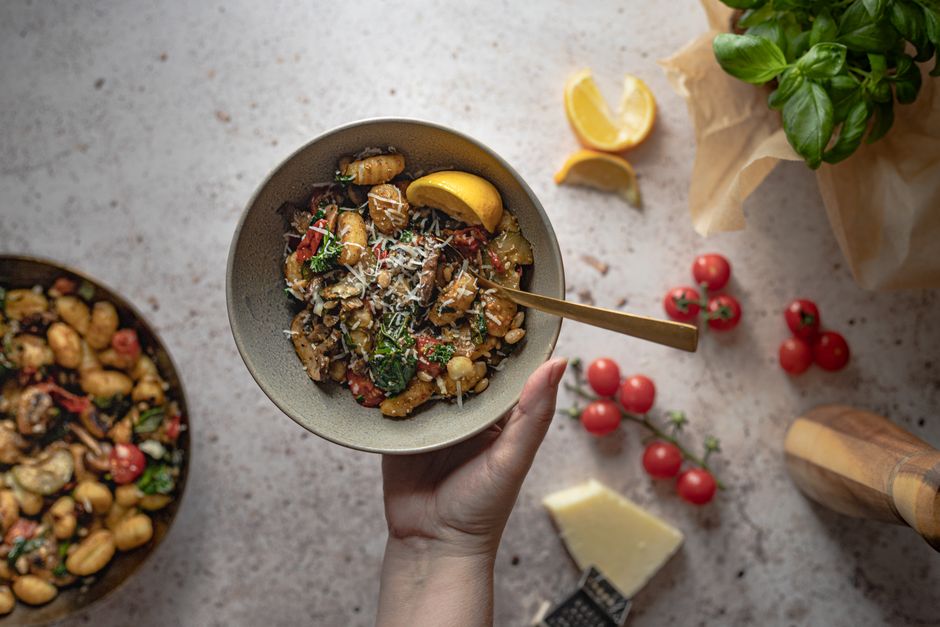
The finished mixture should settle gently into a bowl with a little sauce visible between the pasta pieces. Orzo keeps absorbing liquid after cooking, so leave it slightly looser in the pan than you want it at the table. Have a small jug of hot stock ready for a final adjustment.
If the pan looks dry, fold in liquid a tablespoon or two at a time. If there is too much liquid while the pasta is still firm, continue simmering uncovered. Once the pasta is tender, avoid cooking it for several more minutes just to reduce the sauce; spoon out a little excess liquid if necessary before adding cheese.
Stir the cheese in off the heat rather than boiling it vigorously. Taste before adding more salt, since both stock and cheese contribute seasoning. A little lemon juice can brighten the sauce, but add it gradually so the mushrooms remain the main flavor.
Adapt it to your dinner plans
For a less rich finish, replace half the cream with extra stock. The pasta starch and cheese will still give the sauce body. Finely sliced chard leaves can replace spinach, although they need a little longer to soften. If using the stems too, chop them finely and cook them with the onion.
To make the dish more substantial, fold in a drained tin of white beans with the cream and heat them through before adding the cheese. You may need extra stock to keep everything loose. Serve with a lemony green salad or roasted green beans for a fresh contrast to the creamy pasta.
Store and reheat leftovers
Transfer leftovers to a shallow container and refrigerate within two hours. Use within three days. The pasta will absorb much of the sauce as it sits, so reheat a portion gently in a saucepan with a splash of stock or water. Stir carefully and heat until steaming hot throughout.
For the best freshly cooked texture, prepare the mushrooms and chop the onion ahead, then cook the pasta close to serving time. With spinach drained, cheese grated, and stock ready, you can focus on the final simmer and serve the orzo while the sauce is still flowing.