Spinach and Ricotta Stuffed Pasta Shells make a generous baked dinner with tender pasta, creamy filling, bright tomato sauce, and melted cheese. Each component is simple, but a few details help them work together: drain the spinach thoroughly, stop boiling the shells before they become completely tender, and use enough sauce to keep the pasta moist. This recipe walks you through those details so you can serve neatly filled shells with a soft center and lightly golden top.
Spinach and Ricotta Stuffed Pasta Shells
Serves: 4 to 6. Allow about 30 minutes for preparation and 30 to 35 minutes for baking, plus a short rest. Use a deep baking dish roughly 23 by 33 cm, or two smaller dishes with enough room for a single layer of shells.
Ingredients
- 250 g dried jumbo pasta shells, including a few spares
- 300 g frozen chopped spinach, thawed, or 500 g fresh spinach
- 500 g whole-milk ricotta, drained if watery
- 1 large egg
- 60 g finely grated Parmesan, divided
- 150 g grated low-moisture mozzarella, divided
- 1 small garlic clove, finely grated, for the filling
- 1 teaspoon finely grated lemon zest
- A small pinch of ground nutmeg
- 2 tablespoons chopped fresh basil, plus extra for serving
- 750 ml smooth tomato passata
- 1 tablespoon olive oil
- 2 garlic cloves, finely chopped, for the sauce
- 60 ml water, plus extra as needed
- Salt and freshly ground black pepper
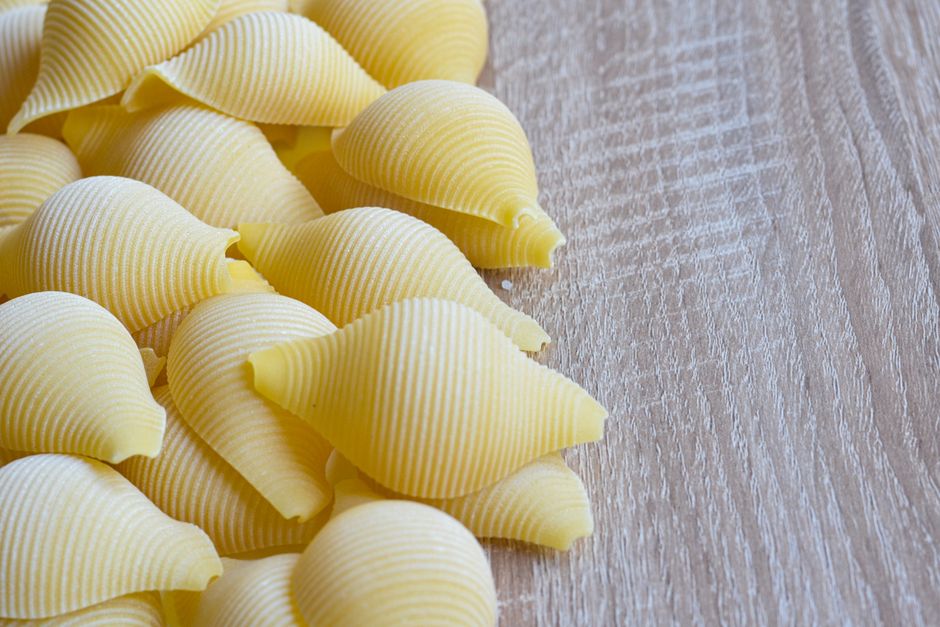
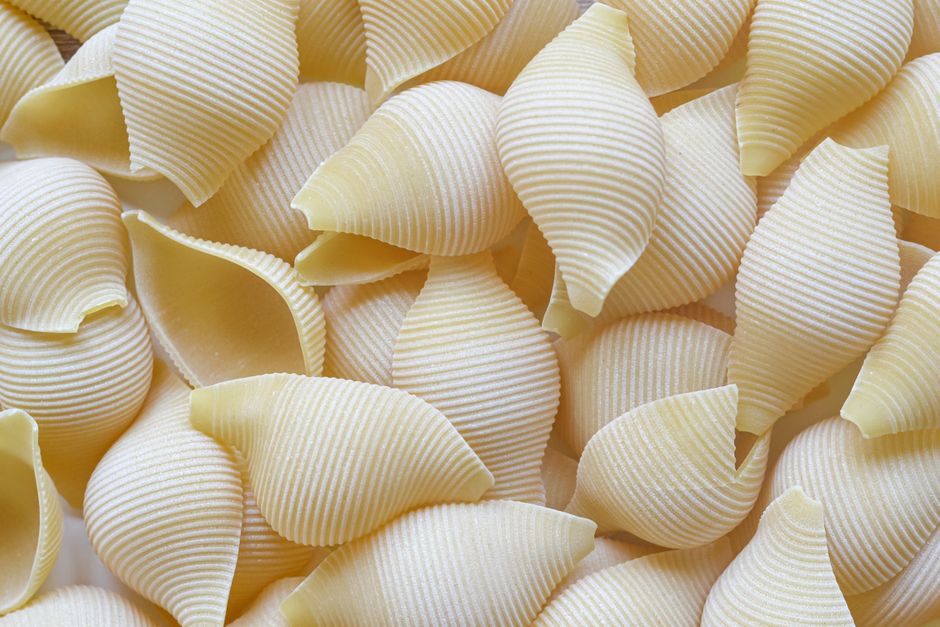
Choose jumbo shells intended for stuffing, sometimes labeled conchiglioni. Smaller shells cannot hold enough filling comfortably. Low-moisture mozzarella is useful because it melts without releasing as much liquid as fresh mozzarella. If whey surrounds your ricotta, let it drain in a fine sieve while you prepare the spinach.
Prepare the Spinach and Tomato Sauce
For frozen spinach, wrap the thawed leaves in a clean kitchen towel and squeeze firmly over the sink. Open the towel, loosen the spinach, and squeeze again. The leaves should form a compact bundle rather than drip when pressed. Break the bundle apart afterward so it will mix evenly into the cheese.
For fresh spinach, wash the leaves and wilt them in a large covered pan with only the water clinging to them. Turn the leaves occasionally and work in batches if necessary. Let them cool, squeeze thoroughly, and chop finely. Long strands are harder to distribute and can pull filling out of the shells as you eat.
Warm the olive oil in a saucepan over medium-low heat. Stir in the chopped garlic and cook for about 30 seconds, until fragrant. Add the passata and 60 ml water, then season lightly with salt and pepper. Simmer gently for 10 minutes, stirring occasionally.
The sauce should pour easily from a spoon. If it becomes thick and pasty, add a little more water. The shells will absorb moisture during baking, so a loose sauce helps them finish cooking. Taste and adjust the seasoning, remembering that the cheeses will also contribute salt.
Cook the Shells and Mix the Filling
- Heat the oven. Set it to 190 degrees Celsius conventional or 170 degrees Celsius fan, with a rack in the middle.
- Parboil the pasta. Bring a large pot of salted water to a boil. Cook the shells about 2 minutes less than the packet suggests. They should bend enough to fill but retain a firm center.
- Drain gently. Lift out the shells with a slotted spoon or drain them carefully. Spread them on a lightly oiled tray, separating any nested shells, and let them cool until comfortable to handle.
- Combine the filling. Mix the ricotta, spinach, 40 g Parmesan, 50 g mozzarella, grated garlic, lemon zest, nutmeg, and chopped basil. Add black pepper and a little salt.
- Taste before adding the egg. Adjust the seasoning, then stir in the egg until everything is evenly combined. Keep some texture in the ricotta rather than beating the mixture smooth.
The filling should sit in a soft mound on a spoon. If liquid pools in the bowl, check that the spinach and ricotta have been drained thoroughly. Extra cheese can make a wet filling salty without solving the underlying problem. The egg helps the mixture set softly in the oven.
Fill, Cover, and Bake
Spread about two-thirds of the sauce across the bottom of the baking dish. Hold each shell in one hand and spoon filling into the opening with the other. Start with a heaped tablespoon, adjusting to the size of your pasta. Fill generously without forcing the shell apart.
Arrange the shells open-side up in a single layer. Tuck torn shells between intact ones so their neighbors help hold the filling. Spoon the remaining sauce between them and lightly over exposed pasta edges. Leave some green filling visible, then scatter over the remaining mozzarella and Parmesan.
Cover the dish with foil, tenting it slightly above the cheese. Bake for 20 minutes, then uncover and bake for another 10 to 15 minutes. The sauce should bubble around the center shells, the cheese should melt, and the filling should be piping hot throughout. If the top colors before the center is hot, cover again and continue baking.
Rest the dish for 5 to 10 minutes before serving. This gives the filling time to settle and makes the shells easier to lift neatly. Finish with torn basil leaves and serve with a crisp green salad or simply cooked green beans.
Small Adjustments for Better Shells
Keep the pasta moist
Exposed shell edges can dry out if they have no sauce nearby. Spoon a little sauce over them before replacing the foil. The covered stage traps moisture around the pasta while it finishes cooking. When dividing the recipe between dishes, give each dish a generous sauce base.
Balance the seasoning
Ricotta is mild, so taste the filling before adding the raw egg. A little more Parmesan, black pepper, or lemon zest can sharpen its flavor. Keep nutmeg restrained so it supports the spinach. Lemon zest adds brightness without introducing the extra liquid that lemon juice would bring.
Prepare components ahead
Make the sauce and prepare the spinach a day ahead if helpful. Cool them and refrigerate in separate covered containers, then assemble the shells the next day. If baking an assembled dish straight from the refrigerator, allow extra covered cooking time and check that the center is piping hot before uncovering to brown the cheese.
Serve with a broad spoon, lifting each shell from underneath with some tomato sauce. Spoon the sauce left in the dish around the portions. That final spoonful keeps the pasta moist on the plate and brings the creamy filling and bright tomato flavor together.