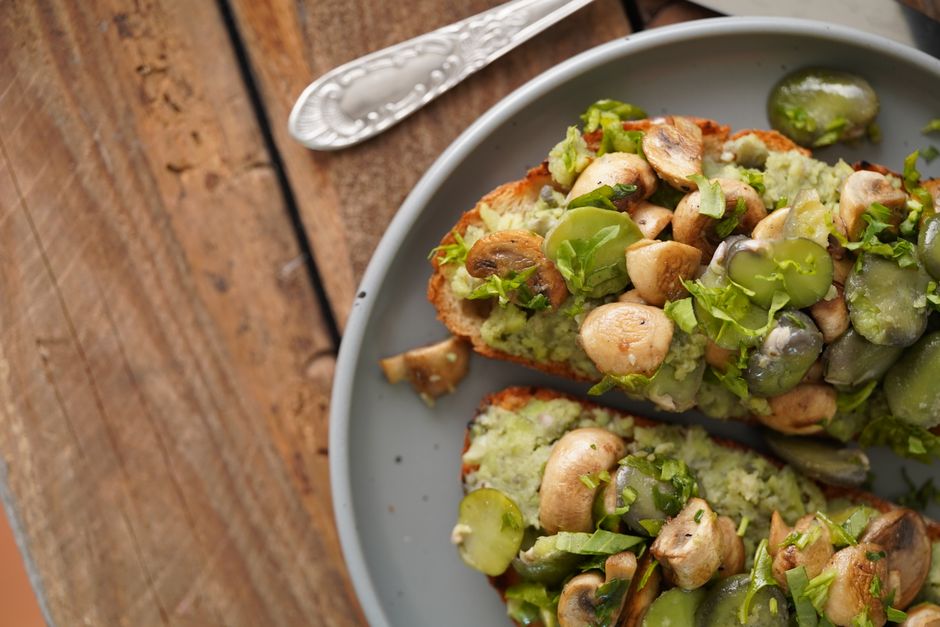
Broad Bean and Pea Bruschetta combines sweet green vegetables with lemon, olive oil and crisp garlic toast. Roughly crushing the topping gives you a mixture that spreads easily while keeping plenty of texture. Serve these generous toasts as a starter or a light lunch, assembling them just before eating so the bread stays crisp beneath the beans and peas.
Choose your vegetables and bread
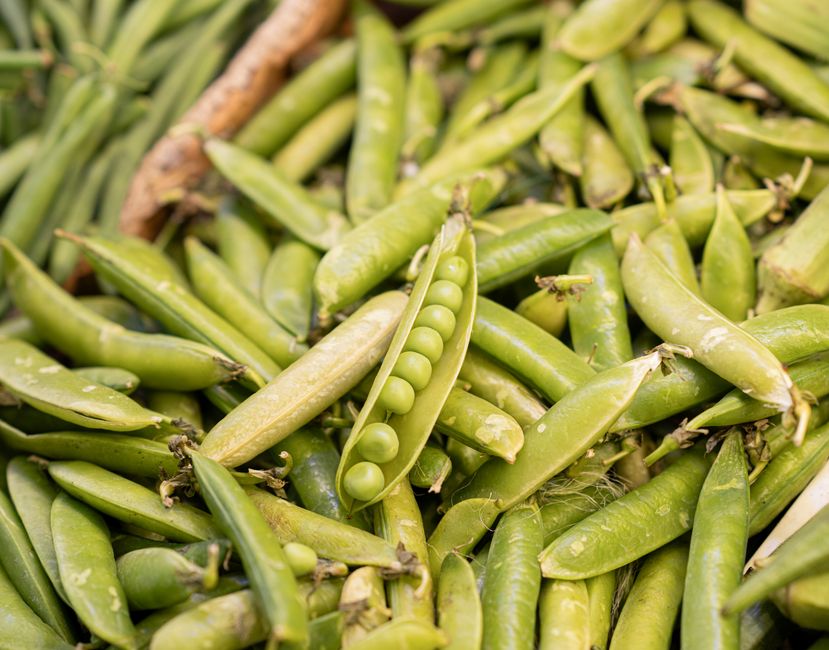
Broad beans give this topping substance and a gently earthy flavour, while peas add sweetness. Fresh and frozen vegetables both work. With fresh broad beans, choose pods that feel firm and open them to release the beans inside. The quantities in this recipe are for shelled vegetables, so allow extra weight when buying beans or peas in their pods.
Choose sourdough or country bread with a sturdy crumb and a crust you can bite through comfortably. Very large holes can let the topping fall through. Slices about 1.5 cm thick give you a useful balance of crisp edges and a slightly yielding centre. Cut particularly wide slices into smaller pieces before toasting.
Ingredients for four servings
This makes eight medium toasts, enough for four starter portions or two light lunches. Weigh the broad beans after shelling but before removing the skins around the individual beans.
- 250 g shelled broad beans, fresh or frozen
- 250 g shelled peas, fresh or frozen
- 8 medium slices sourdough or country bread
- 4 tablespoons extra virgin olive oil, divided, plus extra if needed
- 1 small lemon, washed, with its zest finely grated
- 1 tablespoon lemon juice, plus more to taste
- 1 small garlic clove, peeled and cut in half
- 2 tablespoons finely sliced fresh mint leaves
- Fine salt and freshly ground black pepper
- 40 g Parmesan shavings, optional
Measure the lemon juice separately from the zest so you can control the acidity. Lemons vary in sharpness, and the topping should still taste clearly of beans and peas after seasoning. Keep the garlic for rubbing onto the warm bread.
Cook and peel the broad beans
Simmer until the centres are tender
Bring a saucepan of water to the boil and place a bowl of cold water beside it. Add the broad beans and simmer until their centres are tender, usually around three to five minutes for smaller beans. Larger ones may need longer. For frozen beans, follow the packet cooking instructions where provided, then check one before draining.
Lift the beans into the cold water with a slotted spoon. Add the peas to the saucepan and cook until tender, usually two to three minutes for small fresh peas, or according to their packet instructions. Drain the peas and cool briefly under cold running water.
Remove skins and surface moisture
Pinch a small opening in the skin of each cooled broad bean, then gently squeeze out the green centre. Very young beans sometimes have tender skins, but peeling larger beans gives the topping a more pleasant texture. Discard the skins and put the peeled beans with the peas.
Spread both vegetables on a clean tea towel or kitchen paper and pat gently dry. This step keeps water from diluting the dressing and soaking into the toast. The vegetables should be tender enough to crush easily with a fork. If a bean still feels chalky or firm inside, cook it a little longer before continuing.
Make the rough green topping
- Transfer the drained vegetables to a wide bowl. Reserve a small handful if you want some whole peas and beans for the finished toasts.
- Crush with a fork or potato masher, leaving a mixture of broken beans, flattened peas and small intact pieces.
- Add 2 tablespoons olive oil, the lemon zest and 1 tablespoon lemon juice. Stir in a small pinch of salt and a few grinds of black pepper.
- Fold in the mint and taste. Add a little more lemon juice if needed, working gradually so it does not overwhelm the vegetables.
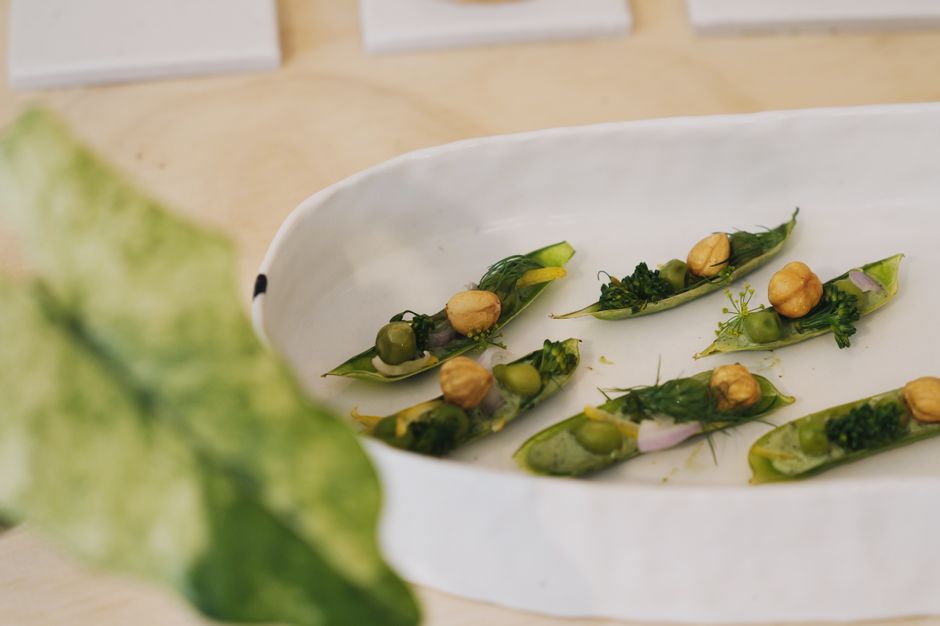
The mixture should sit loosely on a spoon and spread without crumbling. If it feels dry, crush a little more of it to release the soft centres, then add a small drizzle of oil if necessary. If it looks watery, let it drain briefly in a fine sieve and taste again before assembling.
Toast the bread and assemble
- Heat the oven to 220 degrees Celsius, or 200 degrees Celsius fan. Arrange the bread in one layer on a baking tray.
- Brush both sides lightly with the remaining 2 tablespoons olive oil. Bake for eight to twelve minutes, turning once, until the surfaces are crisp and the edges are golden.
- While the toast is warm, rub a cut side of the garlic lightly over its upper surface. One or two passes are enough for a gentle garlic flavour.
- Spoon the topping over each slice and spread almost to the edges. Add the reserved vegetables and optional Parmesan shavings.
- Finish with black pepper and serve promptly while the bread still has its crunch.
Check thinner slices early, since they can brown quickly. You can also toast lightly oiled bread on a hot griddle, turning it once both sides have developed colour. Keep the finished slices in a single layer while you work. Stacking warm toast traps steam and softens the crisp surfaces.
Adjust the finish to suit your meal
If mint is unavailable, try finely chopped flat-leaf parsley or a small amount of basil. A pinch of chilli flakes adds warmth. Taste before adding Parmesan, then check the seasoning again after a small shaving, since the cheese contributes salt as well as savoury flavour.
For a dairy-free version, omit the cheese and finish with a few extra herbs. Serve the toasts beside a leafy salad for lunch, or cut smaller bread slices for a starter platter. Keep the topping shallow enough to bite through comfortably and offer any extra in a bowl alongside.
Prepare ahead and keep components separate
Cook, peel and drain the vegetables up to a day ahead, then refrigerate in a covered container. Crush and dress them when you are ready to serve, adding the mint near the end so its flavour stays fresh.
Refrigerate leftover topping promptly in a covered container and use within two days. Stir before serving and toast fresh bread for each portion. If you are taking the dish to a gathering, carry the topping and bread separately, then spoon them together just before everyone eats.