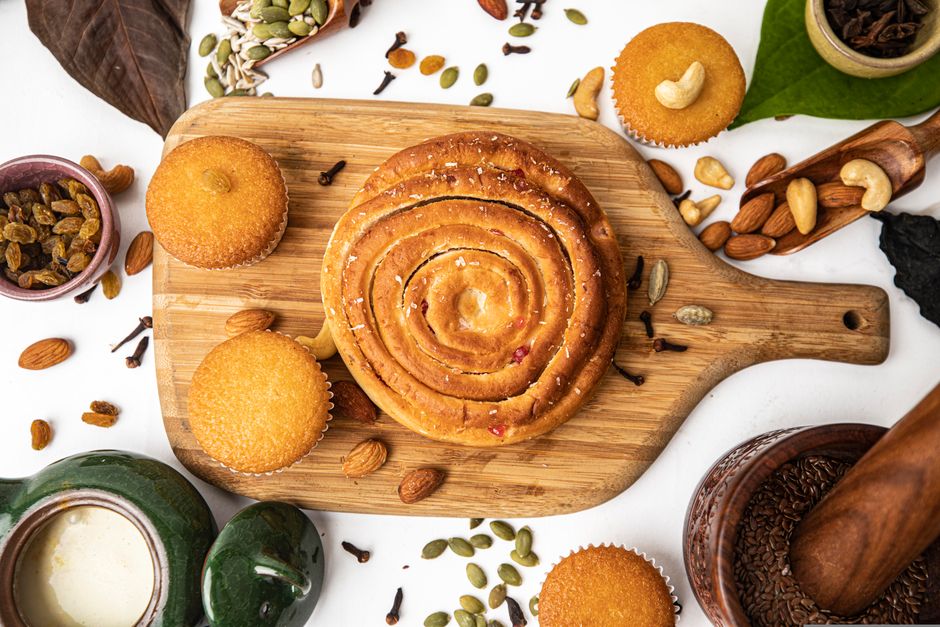
A 9-by-13-inch pan of cinnamon rolls can contain about 1,000 grams of dough, and just a few extra spoonfuls of flour can turn that pan from soft and tender to dry and bready. The secret is not a premium mixer or an expensive cinnamon blend. It is dough temperature, restrained flour, and proofing by size instead of by the clock.
This recipe makes 12 large rolls with a soft center, defined cinnamon layers, and a tangy cream cheese frosting. The process takes about 3 hours from mixing to serving, including two rises. You need a stand mixer or sturdy bowl, a 9-by-13-inch baking dish, a rolling pin, and an instant-read thermometer. The thermometer costs less than a failed batch and removes most of the guesswork.
Why Homemade Cinnamon Rolls Turn Dry or Dense
Flour controls texture more than sugar does
Flour absorbs water and builds gluten. That structure lets the dough hold gas from the yeast, but too much flour makes the finished rolls tight. The common mistake is adding flour until the dough feels completely clean and dry. Enriched dough should feel soft, slightly tacky, and elastic. If it leaves a thin smear on the bowl, that is acceptable. If it behaves like cake batter, add flour one tablespoon at a time.
Start with 480 grams of flour for 12 rolls. Hold back 30 grams and add it only if the dough stays loose after 6 to 8 minutes of kneading. Measuring by weight matters because one cup of flour can weigh anywhere from 115 to 150 grams, depending on how it enters the cup. That range can create almost an extra cup of flour across a full recipe.
Yeast needs warmth, not heat
Warm milk helps yeast work, but hot milk can weaken or kill it. Aim for 100 to 110°F before mixing. The dough itself should finish kneading at roughly 78 to 82°F. A cold kitchen slows the first rise; a hot kitchen can push the dough past its best point before you notice.
Butter, eggs, and sugar make this an enriched dough. They add flavor and softness, but they also slow yeast activity compared with lean bread dough. That is why the first rise may take 60 to 90 minutes. The reliable test is visual: the dough should look puffy and expand by about 75 percent, not necessarily double.
Verdict: Soft rolls come from holding back flour and watching dough temperature. Adding more yeast or baking longer will not repair a dough that started too dry.
How to Proof and Bake Soft Cinnamon Rolls
Place the cut rolls in a greased 9-by-13-inch pan with about half an inch between pieces. They should touch after the second rise, but they should not be packed tightly at the start. Cover the pan and proof at room temperature for 35 to 60 minutes. Judge by the dough, not the timer.
| Stage | Target | Reliable cue | Common mistake |
|---|---|---|---|
| First rise | 60 to 90 minutes | Dough grows about 75 percent | Waiting for a perfect double |
| Second rise | 35 to 60 minutes | Rolls touch and look swollen | Baking before the centers puff |
| Oven temperature | 350°F | Center reaches 190 to 195°F | Using color alone |
| Rest after baking | 10 to 15 minutes | Frosting softens but does not vanish | Cutting immediately |
Use the poke test and the thermometer together
Press a floured finger gently into the side of one roll. If the dent fills slowly and remains slightly visible, the rolls are ready. If the dough springs back immediately, give it another 10 minutes. If it collapses, the pan has over-proofed and should go straight into the oven.
Bake at 350°F for 22 to 28 minutes on the center rack. Rotate the pan once after 15 minutes if your oven has a hot side. The tops should be light golden, not dark brown. A thermometer inserted into the middle roll should read 190 to 195°F. That measurement is more useful than surface color because the filling can brown before the dough finishes cooking.
Why covering the pan matters
Uncovered dough forms a dry skin during the second rise. That skin limits expansion and leaves rough, tight tops. Use lightly oiled plastic wrap or an inverted baking sheet. Do not press the cover onto the rolls. If your kitchen is colder than 70°F, place the pan in a turned-off oven with the light on, but check the temperature after 20 minutes so the dough does not overheat.
Verdict: Pull the rolls when the center reaches 190 to 195°F and let them rest for 10 minutes. Baking until the tops turn deep brown is the fastest route to dry edges.
Which Ingredients Are Worth Paying For?
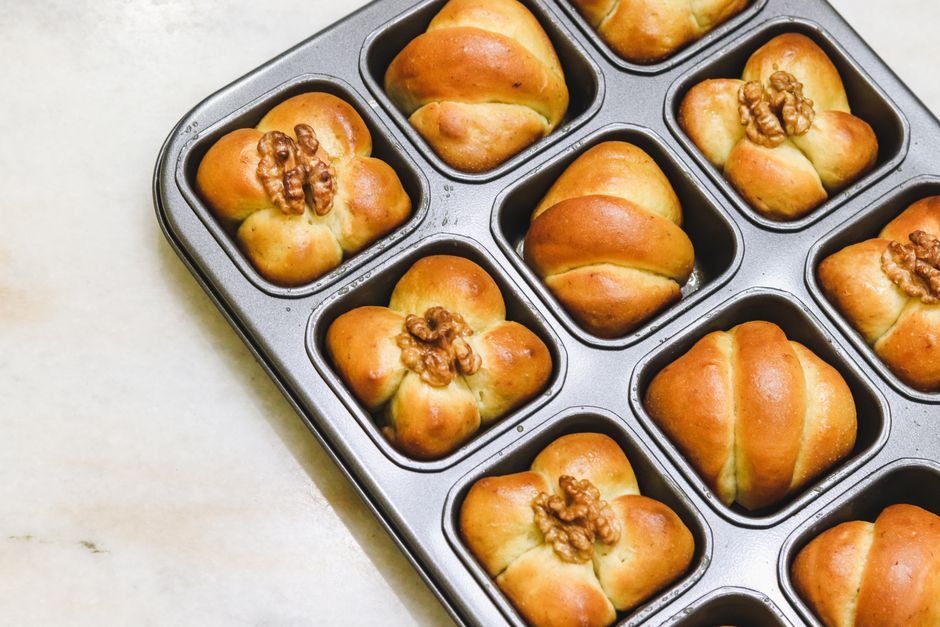
My clear recommendation is to spend on cream cheese and butter, not on specialty flour. A good all-purpose flour works well here because the dough needs tenderness more than extra chew. The filling and frosting carry the strongest flavor, so that is where a small price difference makes the biggest sensory difference.
The prices below are illustrative U.S. grocery shelf prices, not live quotes. Store brands, regional pricing, and sales can move the total by several dollars. There are no affiliate links in this recipe.
| Ingredient | Specific product | Typical price | Use in this recipe | Verdict |
|---|---|---|---|---|
| Flour | King Arthur Unbleached All-Purpose Flour | About $7.95 for 5 pounds | 480 grams | Good, but not required |
| Yeast | Fleischmann’s RapidRise Instant Yeast | About $6.49 for 3 packets | 7 grams | Best for a simple schedule |
| Butter | Kerrygold Unsalted Butter | About $5.99 for 8 ounces | 135 grams total | Worth the upgrade |
| Cream cheese | Philadelphia Original Cream Cheese | About $4.99 for 8 ounces | 226 grams | Best frosting texture |
| Sugar | Domino Granulated Sugar | About $3.49 for 4 pounds | 210 grams total | Store brand works too |
The frosting needs block-style cream cheese
For the smoothest frosting, use full-fat cream cheese at room temperature. Block-style cream cheese usually contains less added moisture than whipped or spreadable tubs, so it makes a thicker topping. Beat 226 grams of cream cheese with 60 grams of soft butter, 120 grams of powdered sugar, 5 grams of vanilla extract, and 15 to 30 grams of milk. Start with 15 grams and add more only when needed.
What the batch really costs
Using the branded examples above, one pan lands near $12 to $16 depending on how much of each package your kitchen already has. That works out to roughly $1 to $1.35 per large roll before electricity. A store-bought bakery roll may cost more, but the home batch gives you twelve portions and control over sweetness. This is not financial advice, and a cinnamon roll has no APR; the useful number here is the batch cost and the price of wasting ingredients when the dough fails.
Verdict: Buy the cream cheese and butter you actually enjoy, then use a standard all-purpose flour. Premium flour will not rescue over-measured dough.
What to Fix When Cinnamon Rolls Go Wrong
Why are my rolls dense in the middle?
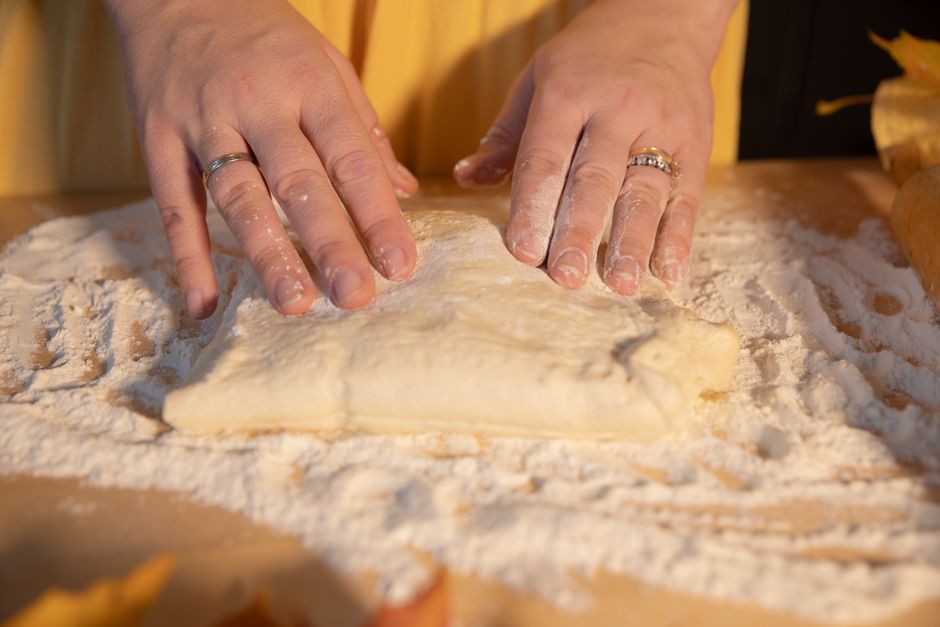
The usual cause is under-proofing or too much flour. If the rolls barely expand during the second rise, the yeast has not created enough gas to open the crumb. Give the pan more time in a warm room. If the dough feels stiff before rolling, it absorbed too much flour. Dense rolls can also come from slicing the log too tightly, which compresses the layers and leaves no room for expansion.
Why did the filling leak out?
Warm butter turns the filling into a sliding layer. Use soft butter that spreads but does not look shiny or melted. Leave a half-inch strip bare along the final edge, then pinch the seam closed. Another cause is overfilling. Sugar expands into syrup in the oven, and a thick layer can force the spiral apart. The stated 150 grams of brown sugar is enough for a defined filling without flooding the pan.
When should you skip homemade rolls?
Skip this recipe when you need breakfast on the table in 30 minutes. A refrigerated dough or bakery option is the honest choice for that schedule. Also skip it if you cannot control the proofing temperature or if you need a dairy-free dessert without substitutions. This dough depends on milk, butter, eggs, and cream cheese for its texture. Dairy-free versions can work, but they need separate testing because plant milks and spreads vary widely in water content.
If the rolls brown before the centers cook, tent the pan loosely with foil after 15 minutes and continue baking until the center reaches 190 to 195°F. If the frosting melts into a puddle, the rolls are too hot. Wait 15 minutes instead of applying more powdered sugar. If the frosting tastes flat, add a pinch of salt and one teaspoon of lemon juice; that sharpness balances the sugar better than adding more vanilla.
The finished pan should have tender sides, visible spirals, and a center that pulls apart without crumbling. That resolves the opening problem: the flour amount stays controlled, the dough temperature stays in range, and the thermometer confirms doneness before the tops become dry. Serve the rolls warm, with the frosting soft enough to spread but thick enough to remain on the ridges.


