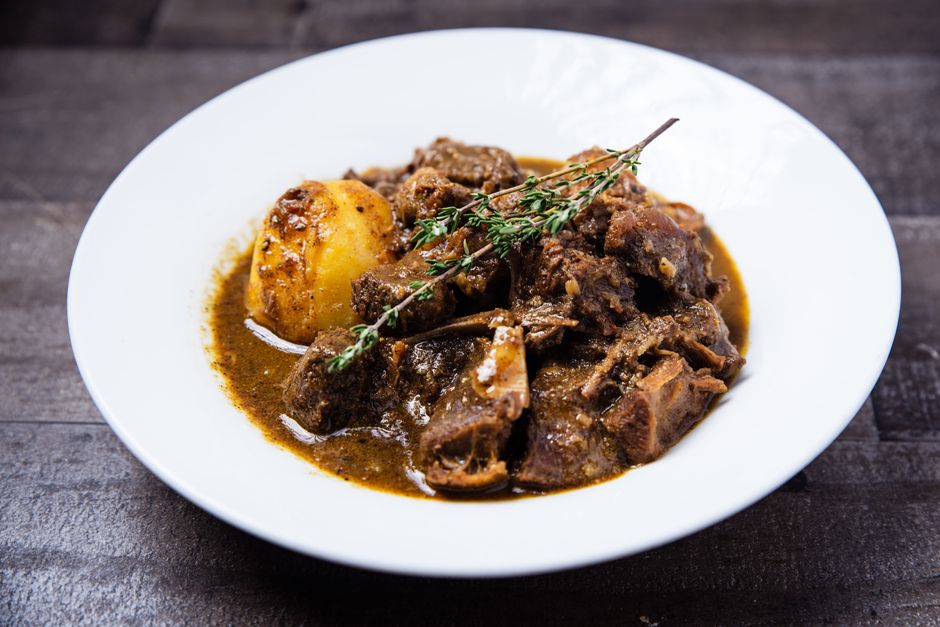
How to Choose Beef and Root Vegetables for Stew
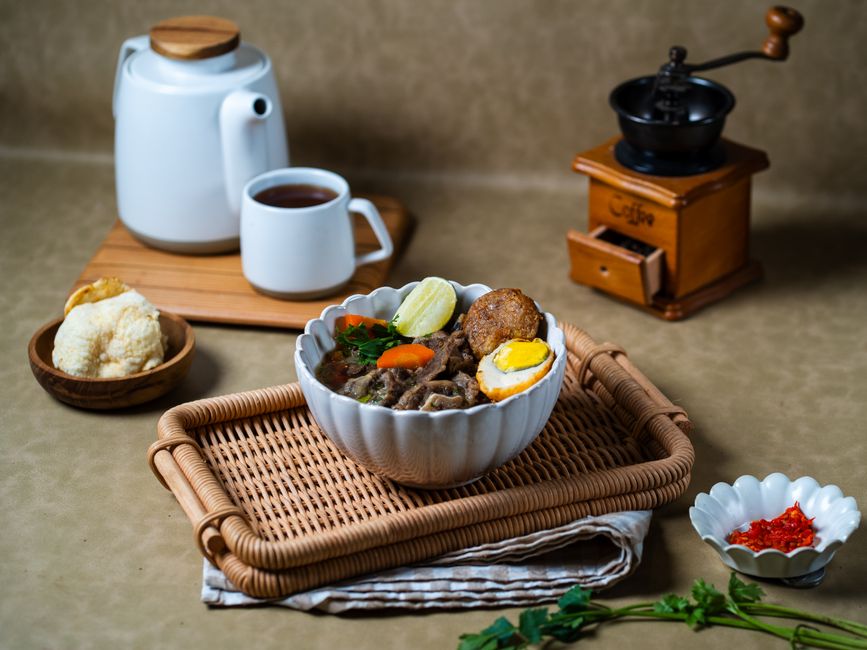
Do not start with vegetables and hope the meat catches up. Choose the beef first, then build the vegetable mix around its cooking time and flavor. The best combination uses one sweet vegetable, one earthy vegetable, and one starchy vegetable that can hold its shape.
Use chuck, not the leanest beef in the case
- Choose 2 1/2 pounds of boneless beef chuck roast with visible but not excessive marbling.
- Cut every piece close to 1 1/2 inches so the cubes finish together.
- Pat the beef dry before seasoning. Wet surfaces steam instead of brown.
- Use 2 teaspoons kosher salt and 1 teaspoon black pepper for the full batch.
- Trim only large, hard pieces of fat. Small seams of fat protect the meat during the braise.
Build a root vegetable mix that survives the braise
Use 3 medium carrots, 2 parsnips, 1 medium rutabaga, and 1 pound of Yukon Gold potatoes. Peel the carrots and parsnips, then cut them into 1-inch chunks. Cut the rutabaga slightly smaller because it takes longer to soften. Leave the potato pieces around 1 1/2 inches so they remain recognizable after nearly an hour in the broth.
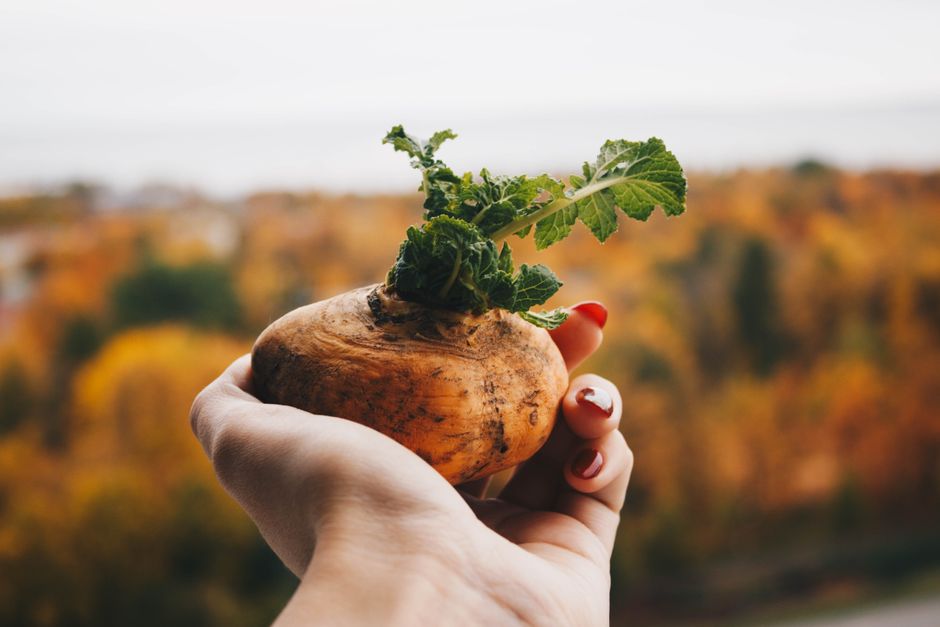
Sweet potatoes bring a softer, sweeter stew and can turn mushy. Beets stain the broth and dominate the flavor. Turnips work well when you want a sharper, peppery edge, but they need careful trimming because their skins can taste bitter. For a classic result, carrots, parsnips, rutabaga, and Yukon Gold potatoes are the clear winner.
Add 8 ounces of cremini mushrooms only if you want a woodland flavor. They are not root vegetables, and they release water, so brown them separately before they join the pot.
How to Brown Beef Before Braising
Browning is not decoration. It creates roasted flavors that the broth cannot develop on its own. The mistake is crowding the pot. When too many cubes touch, the meat releases steam and turns gray. Work in batches and let the pan surface stay hot.
Use a dry surface and a hot cooking vessel
Heat 2 tablespoons of neutral oil in a heavy pot over medium-high heat. The oil should shimmer but should not smoke heavily. Blot the seasoned beef with paper towels, place a single layer in the pot, and leave space between the cubes. Brown the first side for 3 minutes, turn the pieces, and cook another 2 minutes. You do not need a dark crust on every surface. Two or three browned sides are enough.
Move each batch to a bowl. If the fond on the bottom turns black, lower the heat and wipe out the burned bits before continuing. Brown residue tastes rich. Burned residue tastes bitter.
Deglaze, then create the broth base
Add 1 diced yellow onion to the empty pot and cook for 5 minutes. Stir in 4 minced garlic cloves and 2 tablespoons of tomato paste for 30 seconds. Pour in 1 cup of dry red wine, beef stock, or water. Scrape the bottom with a wooden spoon until the browned pieces dissolve. Add 3 cups beef stock, 2 bay leaves, 1 teaspoon dried thyme, and the browned beef with its juices.
The liquid should reach about two-thirds of the way up the meat, not cover it by several inches. Too much stock produces soup. The beef and vegetables will release more moisture as they cook. Bring the pot to a gentle simmer, cover it, and transfer it to a 325-degree Fahrenheit oven.
Cook for 2 hours, check one piece of beef, and add the carrots, parsnips, rutabaga, and potatoes only when the meat has started to soften. Cook for 45 to 60 minutes more. The finished beef should break apart under a fork without turning stringy.
Which Dutch Oven Works Best for Beef Stew?
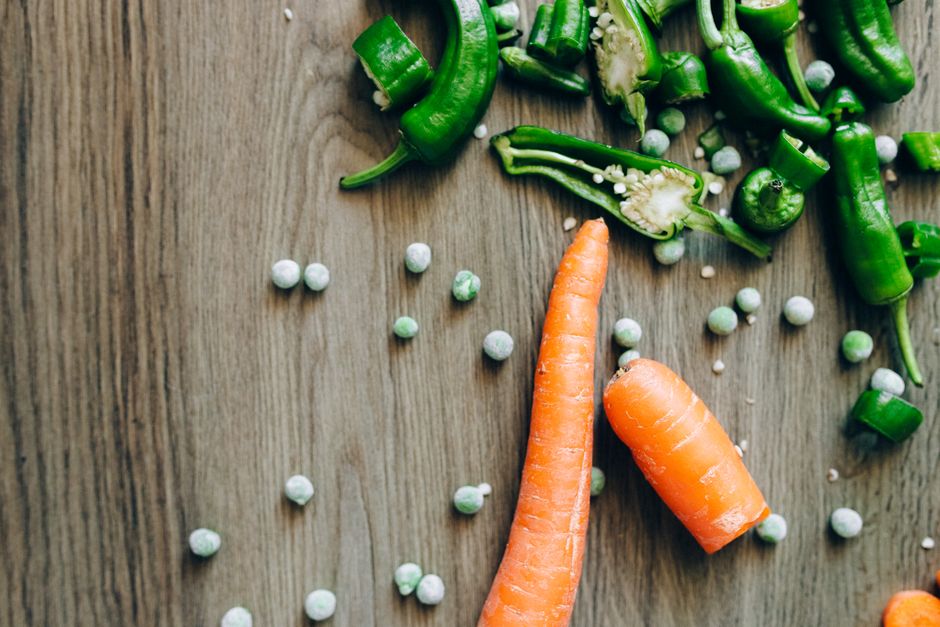
For most home cooks, the Lodge 6-Quart Enameled Dutch Oven is the best value. It holds a full 2 1/2-pound batch without crowding, works on the stovetop and in the oven, and usually costs about $130. You do not need a luxury pot to make tender stew. You need a heavy lid, even heat, and enough room to brown the beef in batches.
Pot comparison for one full batch
| Model | Capacity | Typical price | Best use |
|---|---|---|---|
| Lodge 6-Quart Enameled Dutch Oven | 6 quarts | About $130 | Best value for regular stew |
| Le Creuset Signature Round Dutch Oven | 5 1/2 quarts | About $420 | Best heat control and finish |
| Staub 5.5-Quart Round Cocotte | 5 1/2 quarts | About $400 | Best tight-lid braising |
| Tramontina Enameled Cast Iron Dutch Oven | 6 1/2 quarts | About $100 | Best low-cost large pot |
| Cuisinart Chef’s Classic Dutch Oven | 5 quarts | About $90 | Best smaller batch |
My clear pick for different kitchens
Choose the Lodge if you make stew a few times each winter and want reliable performance without paying for a prestige label. Choose the Le Creuset Signature if you cook braises every week and care about a smoother enamel surface and long-term finish. Choose the Staub if you often cook with less liquid and want its heavy lid to trap moisture. The Tramontina wins for a large family on a tight budget, while the 5-quart Cuisinart is the right size for two to three servings with leftovers.
Do not buy a narrow pot for this recipe. A 4-quart vessel forces the beef into a crowded layer, which ruins browning. A very wide stockpot also misses the point because the liquid evaporates too quickly. The sweet spot is 5 1/2 to 6 1/2 quarts with a broad base and a heavy lid.
What to Do When Beef Stew Goes Wrong
Why is my beef still tough after two hours?
It needs more time, not more heat. Chuck becomes tender when collagen melts slowly. Keep the pot covered, maintain a gentle simmer, and cook another 30 to 45 minutes. If the beef is dry and chalky rather than firm, the pot probably boiled too hard or the cut was too lean. You can rescue the broth, but you cannot return lost moisture to overcooked meat.
Why is my stew watery, greasy, or bland?
Watery stew usually contains too much stock or too many unbrowned vegetables. Remove the lid and reduce the liquid over medium heat for 15 to 25 minutes. Greasy stew needs a quick skimming pass with a spoon, especially if the chuck had a thick fat cap. Bland stew usually lacks salt, acid, or browned flavor. Add salt in small amounts, then finish with 1 teaspoon red wine vinegar or a squeeze of lemon. The acid should brighten the broth, not make it taste sour.
Do not add raw flour directly to the finished pot. It clumps. Do not keep cooking potatoes that have already split apart. Remove them, strain the broth if needed, and add fresh potatoes during the last 35 to 45 minutes. Do not freeze stew with very soft potatoes if texture matters; they become grainy after thawing. Freeze the beef and broth, then add freshly cooked potatoes when reheating.
The most common timing error is adding every vegetable with the beef. Carrots may survive that treatment, but potatoes and parsnips will lose their shape. The second common error is cutting the beef into tiny cubes. Small pieces have more exposed surface and dry out before the broth develops body. Keep the cubes large and patient.
Which Cooking Method Gives the Best Stew?
The Dutch oven wins for classic beef stew because it browns the meat and braises it in the same vessel. A slow cooker is convenient, but it cannot brown beef unless you use a separate pan. A pressure cooker is fast, but the vegetables need careful timing and the broth often tastes less roasted.
Method comparison
| Method | Total time | Strength | Weakness | Verdict |
|---|---|---|---|---|
| Dutch oven | 3 to 3 1/2 hours | Deep flavor and clear vegetable timing | Needs oven time | Best overall |
| Slow cooker | 8 hours low | Hands-off cooking | Weak browning and softer vegetables | Best for busy days |
| Pressure cooker | About 75 minutes | Fast tender beef | Less roasted flavor | Best for speed |
The final verdict
Use a Dutch oven for the richest classic result. Use a slow cooker only when convenience matters more than browned flavor, and brown the beef first in a skillet. Use a pressure cooker when dinner cannot wait three hours, but cook the root vegetables in a second short cycle so they do not disintegrate. For the standard recipe, the Lodge 6-Quart Enameled Dutch Oven is the practical pick, beef chuck is the right cut, and adding the vegetables halfway through is the step that protects the whole dish.
Classic beef stew should finish with tender beef, distinct root vegetables, and broth thick enough to cling to a spoon. That is the target. Everything else is just equipment and timing.


