You have a few clean bottles, a bunch of garden herbs, and a holiday gift list that is getting expensive fast. The obvious move is to stuff fresh rosemary, basil, or garlic into olive oil and tie on a ribbon. Do not do that. Fresh herbs in oil can create the low-oxygen, moist setting that allows Clostridium botulinum to grow. A pretty bottle is not worth making someone sick.
The smart version uses commercially dried herbs, a measured heating step, clean containers, and a clear use-by date. It still looks handmade, tastes good, and can sit in a pantry when prepared correctly.
Why Fresh Herbs Make Infused Oil Gifts Risky
Oil creates the wrong environment for fresh ingredients
Fresh rosemary, basil, garlic, chili peppers, and lemon peel all carry moisture. When you submerge them in oil, the oil blocks oxygen while the plant material adds water. That combination can support botulism-causing bacteria. The oil may look clear, smell normal, and taste fine even when it is unsafe, so a sniff test proves nothing.
The risk is not a reason to abandon homemade gifts. It is a reason to choose a method that removes the moisture problem. The University of Maine Cooperative Extension guidance identifies commercially dried herbs and garlic as the safest home method for flavored oils.
Fresh herb oil is not a pantry gift
Oregon State University Extension advises treating most homemade fresh herb and vegetable oils as perishable. Keep them refrigerated and use them within four days, or freeze them for longer storage. A fresh basil oil made on Friday is not a safe hostess gift to leave on a counter until the following weekend.
Do not solve the problem by adding a lemon slice, pouring in extra oil, or warming the bottle in a sunny window. Those tricks do not replace a tested acidification process. For a gift that can travel and sit in a cupboard, dried herbs win. That is the verdict.
Which Dried Herbs Work Best in Olive Oil Gifts?
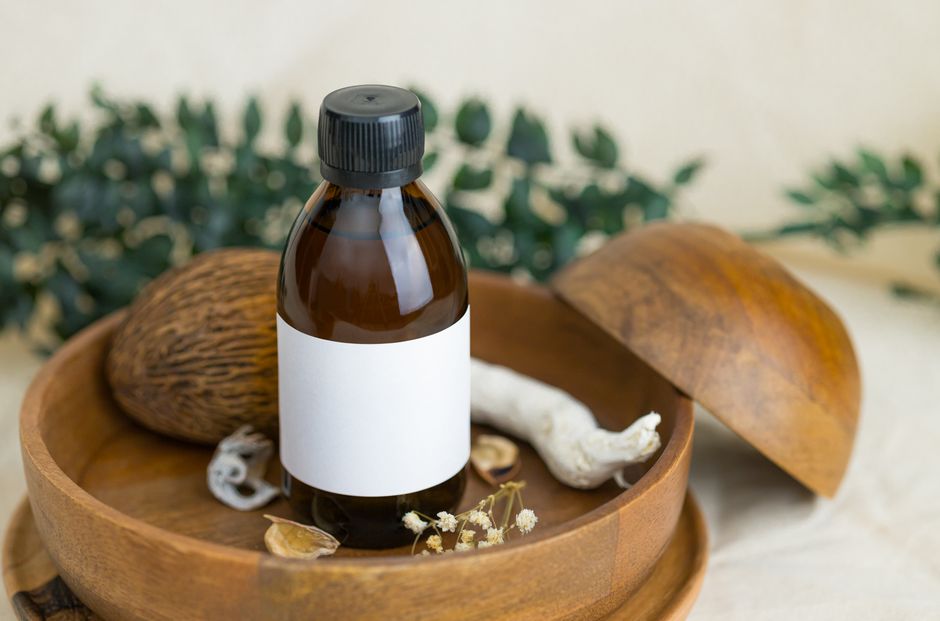
Start with herbs that are fully dry, strongly scented, and easy for the recipient to use. Avoid anything damp, soft, or recently washed. A dried sprig that still bends instead of snapping is not dry enough for a shelf-stable gift.
Use this flavor ranking
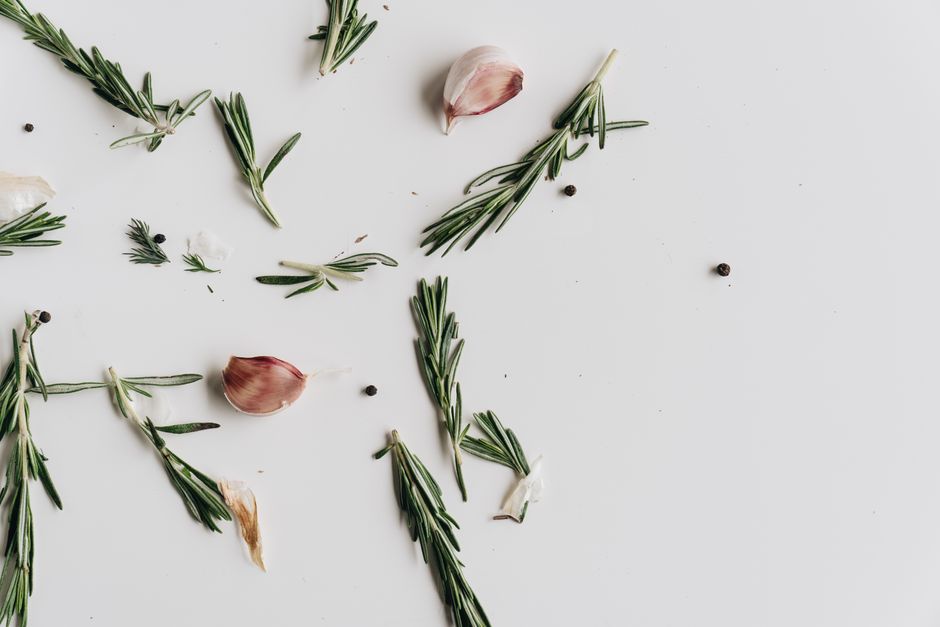
- Rosemary: The best all-purpose choice for roasted potatoes, focaccia, chicken, and white beans.
- Oregano: The strongest choice for pizza, tomato sauce, grilled vegetables, and Greek-style salads.
- Thyme: A mild, savory option for mushrooms, eggs, soups, and roast chicken.
- Chili flakes: The right pick for people who like heat on pasta, beans, eggs, and pizza.
- Dried basil: Pleasant but softer; pair it with oregano instead of using it alone.
Use whole dried leaves for a slower, cleaner infusion and crushed herbs when you want more flavor right away. Keep the quantity modest. One to two teaspoons of dried herbs per cup of oil gives flavor without turning the bottle cloudy or bitter.
Skip the decorative fresh sprig
That green rosemary branch floating in the bottle looks attractive in photographs, but it defeats the safe dried-herb method. The same goes for fresh garlic cloves, raw chili peppers, sun-dried tomatoes that are still moist, and lemon peel cut straight from the fruit. Use a printed label, a paper tag, or dried ingredients for the visual effect. The gift should be attractive because it is well made, not because it contains a hidden safety gamble.
How to Make Shelf-Stable Dried-Herb Olive Oil
The process is simple, but the order matters. Clean equipment first, dry ingredients second, heat third, and label last. This is the reliable home method for small gift batches.
Prepare the bottles and herbs
- Choose small glass bottles or jars with tight-fitting lids. Four to eight ounces is enough for a gift and reduces the time the recipient needs to use the oil.
- Wash the containers and lids with hot, soapy water, then sanitize them according to a tested food-safety method. Let them air-dry fully.
- Measure commercially dried herbs. Use one to two teaspoons per cup of oil. Do not rinse them, and do not mix in any fresh ingredient.
- Place the dried herbs in the clean container before heating the oil.
Heat, fill, and label
- Pour the olive oil into a small saucepan and heat it to 180°F. Use a kitchen thermometer; guessing is unnecessary.
- Pour the hot oil over the dried herbs, leaving about 1/2 inch of headspace.
- Cap the container and invert it or lay it on its side for at least five minutes so the hot oil contacts the lid area.
- Return it upright, cool it at room temperature, and wipe the outside clean.
- Label the blend with the herb name, ingredients, preparation date, and a three-month discard date.
Do not fry the herbs until they turn brown. The goal is to heat the oil, not burn the flavor. For the best gift, make several small batches instead of one large bottle. Small containers look more polished, are easier to use, and limit waste.
Which Olive Oil Makes the Best Gift Base?
Choose the oil around the finished use, not the label prestige. A bold peppery oil can overpower thyme. A mild cooking oil gives rosemary and oregano more room to speak. These are current reference prices from brand websites and may change, but they show the useful price and size range for a 2026 gift batch.
Quick comparison for gift makers
| Oil | Size | Listed price | Best use |
|---|---|---|---|
| Graza Sizzle Extra Virgin Olive Oil | 750 mL | $16 | Everyday cooking blends |
| California Olive Ranch 100% California EVOO | Brand size varies | From $19.99 | Premium pantry gifts |
| Graza Drizzle Extra Virgin Olive Oil | 500 mL | $21 | Finishing oils for bread and salads |
| Colavita Unfiltered Extra Virgin Olive Oil | 1 liter | €14.90 | Large-batch, rustic gifts |
Pick the winner for your recipient
Graza Sizzle is the best base for most homemade kitchen gifts. Its 750 mL size and mild cooking profile make it practical for rosemary, oregano, thyme, and chili blends without forcing you to spend premium finishing-oil money. Choose California Olive Ranch 100% California EVOO when the bottle itself needs to feel special and the recipient enjoys tasting olive oil on bread. Use Graza Drizzle only when the gift is meant for finishing, because its $21, 500 mL format is better suited to low-heat serving than everyday cooking.
How Should You Package Homemade Infused Oil?
Use four-ounce glass jars and make the label do the work. A Ball 4-ounce Quilted Crystal Jelly Jar is a better gift container than a tall decorative bottle because it is stable, easy to clean, easy to pour from, and small enough to finish before the flavor fades. Add a simple paper tag with the blend name, the ingredients, the preparation date, and the three-month discard date, then place the jar in a shallow box with a dish towel or wooden spoon.
Do not seal a fresh herb sprig inside for decoration, and do not give a jar with an unreadable handwritten date. The recipient needs to know that the oil contains dried herbs only, how to use it, and when to discard it. A short serving note such as “Use on roasted potatoes, eggs, or crusty bread” is more useful than a long recipe card.
For a polished set, use three matching jars with different labels rather than five random bottles. The best presentation is rosemary-black pepper, oregano-chili, and thyme-lemon because the flavors cover mild, hot, and bright cooking styles without repeating the same idea.
When Should You Skip Homemade Infused Oil?
Skip it when the recipient expects fresh garlic oil, cannot store food safely, or will leave the gift in a warm car for hours. The oil is not a safe place to improvise.
Common mistakes that ruin the gift
- Using fresh garlic, basil, rosemary, or chili peppers in a pantry-stored bottle.
- Adding fresh lemon peel for color.
- Assuming refrigeration makes fresh herb oil safe for weeks. The practical limit for most homemade fresh herb oils is four days.
- Relying on smell, appearance, or a tasting spoon to detect botulism toxin.
- Filling one large bottle that takes months to finish.
- Leaving the oil unlabeled so nobody knows its ingredients or age.
Choose a different gift when the risk is not worth it
For a fresh-herb flavor, make a small batch for your own table, refrigerate it, and use it within four days. For a shelf-stable present, choose dried herb oil, an herb vinegar, a dry pasta-seasoning blend, or a flavored finishing salt. A commercially acidified garlic oil is another option, but do not copy its formula at home; commercial products rely on controlled processing that a kitchen shortcut cannot match.
My clear recommendation is this: make small bottles with commercially dried rosemary, oregano, thyme, or chili, heat the olive oil to 180°F, use clean four-ounce jars, and label every bottle for three-month storage. That gives you a useful homemade kitchen gift without turning a simple craft into a food-safety problem.