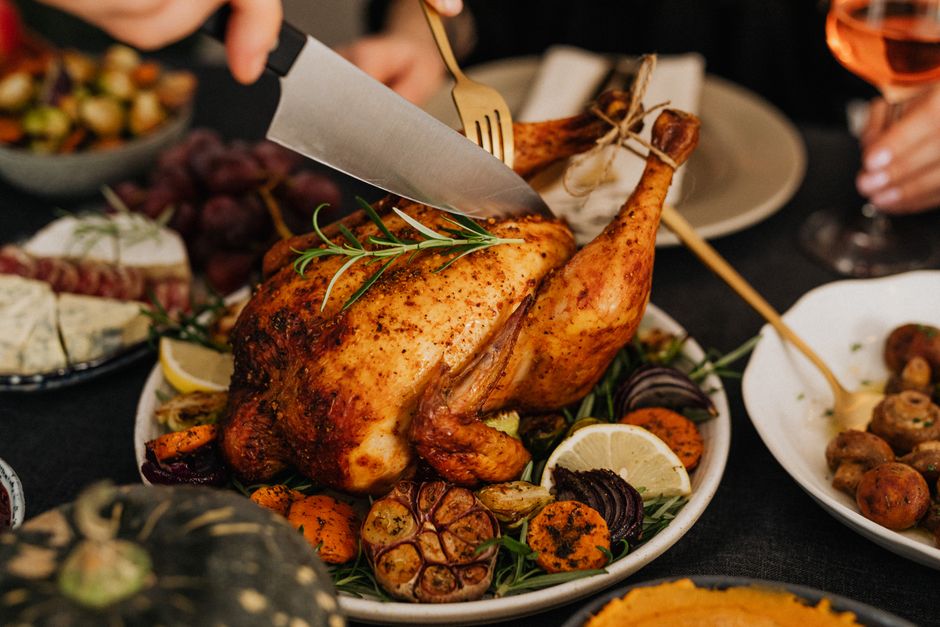
One-pan autumn chicken works when the squash gets browned and the chicken stays juicy. The trick is timing: dense vegetables need a head start, while chicken needs enough heat to brown without drying out.
Why chicken and squash belong in the same pan
The best version uses contrast. Chicken thighs bring fat, salt, and savory juices. Winter squash brings sweetness, starch, and browned edges. Fresh herbs cut through both. The pan turns those separate flavors into one sauce as the chicken cooks.
Squash needs more time than chicken
A 1-inch cube of butternut squash usually needs about 35 to 45 minutes at 425°F to become tender and caramelized. Boneless chicken thighs can finish in roughly 22 to 28 minutes. Put everything in the oven at once and the chicken may be ready before the squash has softened. You then face a bad choice: dry the chicken while waiting for the vegetables, or serve hard squash beside cooked meat.
The fix is simple. Roast the squash for 15 minutes before adding the chicken. That short lead gives the squash a hot surface and lets its edges brown instead of steam.
Why thighs beat breasts here
Use boneless, skinless chicken thighs for the most reliable result. Their higher fat content protects them during the longer roasting window, and their uneven shape creates crisp corners and tender centers. Chicken breasts can work, but thick pieces often need a separate timing plan. If you use breasts, choose pieces close to 1 inch thick and pull them as soon as the center reaches 160°F, then let carryover heat bring them to 165°F.
This dish exists to solve a weeknight problem: one hot pan, one coordinated cooking schedule, and enough built-in sauce to make a plain grain or piece of bread useful.
How to cut and season the ingredients
Cutting matters more than adding another spice. Keep the pieces close in size so they finish together. Large vegetables stay firm in the center while small pieces burn, and no herb blend can repair that.
Use this preparation sequence
- Heat the oven to 425°F. Place a sturdy sheet pan or oven-safe skillet inside while it heats.
- Peel and cut 1 1/2 pounds of butternut squash into 1-inch cubes. Smaller pieces scorch before they soften.
- Slice one red onion into thick wedges. Thin slices burn during the final roast.
- Pat 1 1/2 pounds of boneless chicken thighs dry. Moisture blocks browning.
- Mix 2 tablespoons olive oil, 1 teaspoon kosher salt, 1/2 teaspoon black pepper, 1 teaspoon smoked paprika, and 1 tablespoon chopped fresh sage.
- Toss the squash and onion with half the mixture. Coat the chicken with the rest.
- Add 4 lightly crushed garlic cloves only after the first roast if you want a sweeter garlic flavor. Garlic added too early can burn.
Build flavor without burying the dish
Sage is the strongest match for squash, but rosemary gives a sharper, pine-like note. Thyme is gentler and works best when the dish includes apples or white beans. Pick one main herb and use the others sparingly. Three tablespoons of mixed herbs can taste muddy once the pan juices reduce.
Add acid at the end, not at the beginning. A tablespoon of apple cider vinegar or lemon juice wakes up the fat and sweetness after roasting. Acid in the raw marinade can make the surface of the chicken turn soft instead of browned.
Which pan gives the best autumn chicken?
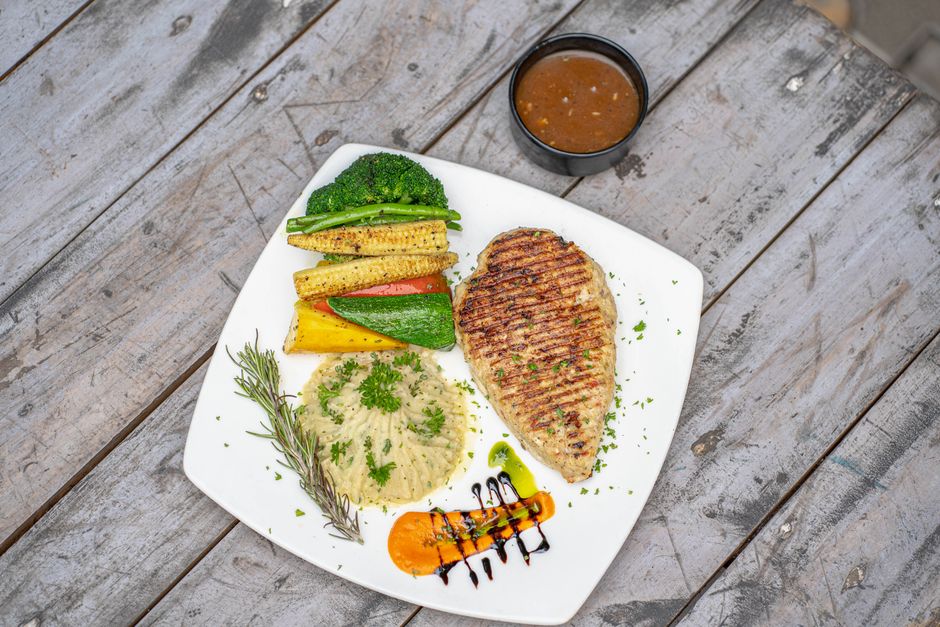
The clear winner for deep browning is a heavy cast-iron skillet, but a rimmed sheet pan is better when you are cooking a large batch. The choice changes the texture more than the flavor.
Pan comparison
| Pan or tool | Useful specification | Typical 2026 price | Best use |
|---|---|---|---|
| Lodge 12-inch Cast Iron Skillet | 12-inch cooking surface, heavy heat retention | About $35 | Deep browning for 4 chicken thighs |
| Nordic Ware Half Sheet | 18 by 13 inches, shallow rim | About $26 | More space for squash and crisp edges |
| Le Creuset Signature 5.5-quart Dutch Oven | 5.5-quart enameled cast iron | About $420 | Covered braises, not maximum crispness |
| ThermoWorks Thermapen ONE | Reads internal temperature in about 1 second | About $115 | Checking chicken without cutting it open |
My pick for this recipe
Choose the Lodge skillet when you want the darkest chicken edges and concentrated pan juices. Choose the Nordic Ware half sheet when you are feeding six people or want more room around the vegetables. The Le Creuset Dutch oven is the wrong tool for this specific job unless you prefer soft vegetables and a covered, braised texture. Its tall sides hold steam where this recipe needs dry heat.
The thermometer is the most useful tool on the table. Color cannot tell you if the thickest part of a thigh has reached a safe temperature. A fast reading prevents both undercooked chicken and the common habit of leaving it in the oven for another 10 minutes just to feel safe.
How do you keep the chicken juicy and the squash browned?
Use dry surfaces, enough heat, and a little patience. The oven cannot brown food that is wet or packed tightly together.
Why is the squash pale and soft?
The usual cause is crowding. Squash releases water as it cooks, and a crowded pan lets that moisture collect around every piece. Spread the cubes across the pan with at least a small gap between them. If you double the recipe, use two pans instead of stacking extra food onto one.
Another cause is starting with a cold pan. A preheated pan gives the oil and squash an immediate sear. It also shortens the time the vegetables spend slowly warming in their own moisture.
Why is the chicken dry even though the vegetables are good?
The chicken probably stayed in the oven past 165°F, or the pieces varied too much in size. Pound thick thighs lightly so they cook at a similar rate, then check the largest piece early. A quick pan sauce made from the drippings, cider vinegar, and a spoonful of water can restore moisture to sliced meat, but it cannot undo severe overcooking.
Skip sugary maple syrup during the main roast. It can burn before the squash finishes. Add a small maple drizzle after cooking if you want sweetness. That keeps the flavor bright and the pan under control.
Five mistakes that ruin one-pan chicken

Most failures come from a few predictable choices. Fix these and the recipe becomes nearly automatic.
Mistakes to avoid
- Using wet chicken: Pat the thighs dry before oiling them. Surface water creates steam and weakens browning.
- Cutting squash too large: Keep cubes close to 1 inch. Pieces larger than 1 1/2 inches often remain firm when the chicken is ready.
- Overcrowding the pan: Leave space around the chicken and vegetables. Use two pans for more than 1 1/2 pounds of chicken.
- Adding delicate herbs too early: Parsley and chives lose their fresh taste in a hot oven. Add them after roasting.
- Guessing doneness by color: Check the thickest chicken piece with a thermometer. The center must reach 165°F.
When not to use this method
Do not use this roasting plan for a whole chicken, bone-in breasts, or large potato chunks without changing the timing. Those ingredients need more cooking time than boneless thighs and 1-inch squash. Do not use it when you need a crisp, separate crust on every ingredient for a large dinner party. Cook the chicken and vegetables on separate pans instead.
Also skip butternut squash if you dislike sweet notes beside savory meat. Use cauliflower, carrots, or Brussels sprouts instead. Cauliflower cooks faster, carrots take a similar amount of time, and Brussels sprouts need their cut sides facing down for proper browning.
What to serve with autumn chicken and leftovers
Serve it with something plain that can absorb the pan juices. Farro is my top choice because its chewy texture stands up to roasted squash. Crusty bread works faster. Mashed white beans make the meal more filling without adding another complicated side.
Balance the finished plate
Add one fresh element after the pan comes out. A handful of parsley, a bitter green salad, or thinly sliced fennel keeps the meal from tasting heavy. A spoonful of plain yogurt mixed with lemon and black pepper also works, especially when the chicken has plenty of sage.
Do not add another sweet side. Apple chutney, maple-glazed carrots, and sweet corn push the plate too far toward sugar. The squash already supplies that note.
Reheat without turning the chicken tough
Store the chicken and vegetables in a shallow container for up to 3 days. Reheat in a 375°F oven for 10 to 12 minutes, covered loosely with foil for the first half. A microwave works for speed, but use 50 percent power in short bursts and stop as soon as the center is warm.
Leftovers become better when sliced into a warm grain bowl with greens and a sharp dressing. That is the broader value of this recipe: autumn cooking does not need a long ingredient list or a separate pot for every component. As produce gets sweeter and home ovens get more capable, the best one-pan meals will keep moving toward tighter timing, bolder browning, and less cleanup.


